
Tag Archives: bjj

Celebrating Ryan Loder’s Ultimate Fighter Victory

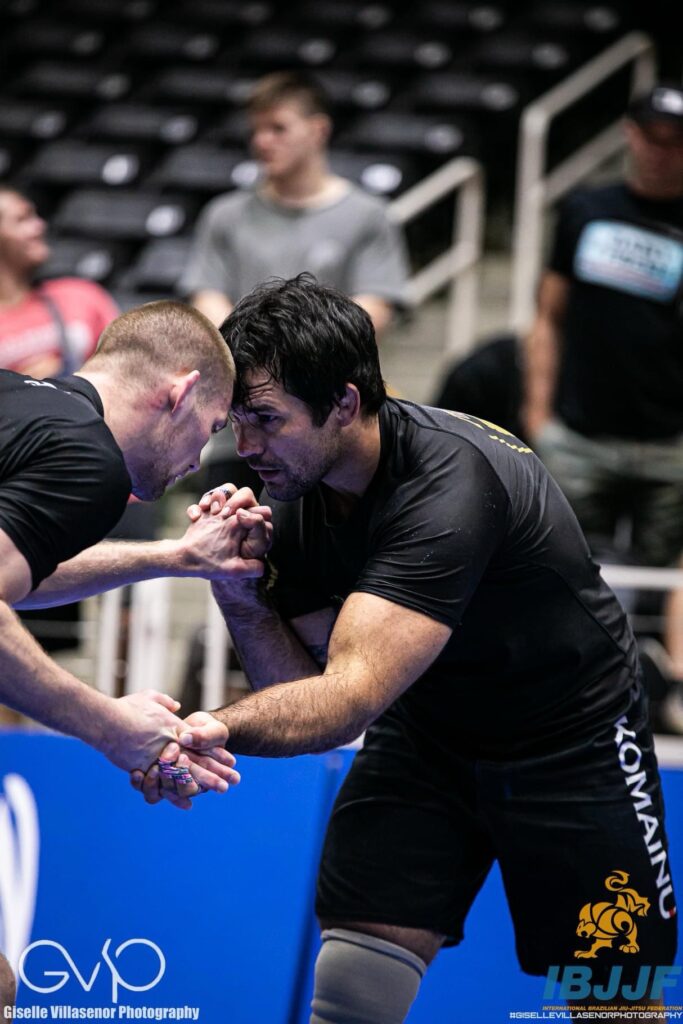
At El Dorado Hills Jiu Jitsu, we take immense pride in the achievements of our athletes and coaches. One of the most recent and remarkable successes comes from Ryan Loder, who has been crowned The Ultimate Fighter champion! This incredible accomplishment not only highlights Ryan’s dedication and skill but also underscores the importance of the mentorship provided by our very own Coach Eliot Kelly.

Ryan Loder: A Champion’s Journey

Ryan Loder’s journey to becoming The Ultimate Fighter champion is a testament to his relentless work ethic, technical prowess, and mental toughness. A former Division 1 wrestler with a deep-rooted passion for martial arts, Ryan has always been a fierce competitor. His transition to mixed martial arts was marked by his determination to master all aspects of the game, from striking to grappling, and everything in between.

In the octagon, Ryan’s wrestling background has been a cornerstone of his success, allowing him to control his opponents and dictate the pace of the fight. But what truly sets Ryan apart is his ability to blend his wrestling with high-level jiu jitsu and striking, making him a well-rounded and formidable fighter.

Coach Eliot Kelly:

Behind every great fighter is a great coach, and for Ryan Loder, Eliot has been involved as a coach in the grappling arts. Eliot’s extensive experience in jiu jitsu and his deep understanding of the sport have been instrumental in Ryan’s development as a mixed martial artist. As one of the coaches at El Dorado Hills Jiu Jitsu, Eliot has consistently emphasized the importance of discipline, strategy, and adaptability—qualities that have clearly paid off for Ryan.

Eliot’s coaching philosophy is centered around the idea of continuous improvement, or “kaizen.” He encourages his students to always seek out areas for growth, whether in technique, conditioning, or mental fortitude. This mindset has not only helped Ryan refine his skills but also prepared him to face the toughest challenges in The Ultimate Fighter competition.

A Celebration for the Community

Ryan Loder’s victory is not just a personal achievement; it’s a win for the greater Sacramento area. It serves as a powerful reminder of what can be accomplished through hard work, dedication, and the right guidance. For our students, both young and old, Ryan’s success is an inspiration to strive for greatness in their own martial arts journeys.

As we celebrate Ryan’s victory, we also extend our deepest gratitude to Coach Eliot Kelly for his unwavering commitment to his students and his role in shaping champions both on and off the mat.

Looking Ahead

The future is bright for Ryan Loder, and we’re excited to see what’s next for this rising star in the world of mixed martial arts. As for our community at El Dorado Hills Jiu Jitsu, we will continue to support and learn from both Ryan and Eliot, as they exemplify the spirit of excellence that we strive for every day.

Whether you’re a seasoned practitioner or just starting your martial arts journey, Ryan Loder’s story is a powerful example of where dedication and the right coaching can take you. Join us on the mats at El Dorado Hills Jiu Jitsu and be part of a community where champions are made.
Craig Jones Invitational: Grappling for Glory at the Million Dollar Showdown

El Dorado Hills Jiu Jitsu is excited to shine a spotlight on one of the most groundbreaking events in the grappling world—the Craig Jones Invitational (CJI). This event is set to redefine the landscape of competitive jiu-jitsu with its staggering prize pool and unique format, where the world’s best grapplers will compete for a chance to win $1 million in a fierce new arena known as “The Pit.”

The Stakes: $1 Million to Win, $10,000 to Show

The CJI isn’t just another jiu-jitsu competition—it’s a game-changer. With a $1 million prize awaiting the winner, the stakes are higher than ever before. Each participant receives $10,000 just for stepping onto the mat, but the ultimate goal is the seven-figure payout reserved for the last man standing. This massive prize pool has attracted top-tier talent from around the globe, ensuring that the competition will be as intense as it gets.

The Pit: A New Arena for Grappling

What truly sets the CJI apart is its innovative competition format—The Pit. Unlike traditional mats or cages, The Pit is designed to force non-stop action and continuous engagement. This sunken, circular arena leaves no room for running or stalling, pushing competitors to stay in the fight at all times. The Pit’s design amplifies the intensity of the matches, creating an environment where every move matters and only the most strategic and aggressive grapplers will prevail.

For spectators, The Pit promises to deliver some of the most thrilling jiu-jitsu action ever seen. With nowhere to hide and no breaks in the action, the matches will be a true test of skill, endurance, and willpower.

The Evolution of Competitive Jiu-Jitsu

The Craig Jones Invitational represents a significant evolution in the sport of jiu-jitsu. The combination of high stakes and a groundbreaking format reflects the growth and mainstream appeal of the sport. For those of us at El Dorado Hills Jiu Jitsu, the CJI serves as an inspiration—a reminder that the limits of what’s possible in jiu-jitsu are constantly being pushed.

This event is also a testament to Craig Jones’ influence on the sport. As a world-renowned grappler, Jones has always been at the forefront of innovation in jiu-jitsu, and the CJI is a natural extension of his vision to elevate the sport to new heights.

Why This Matters to Our Students

At El Dorado Hills Jiu Jitsu, we emphasize the importance of setting goals, embracing challenges, and constantly pushing your limits. The Craig Jones Invitational embodies these values. While few of us will compete for a million-dollar prize, the principles that drive success in the CJI—discipline, resilience, and strategy—are the same ones we cultivate on the mats every day.

We encourage our students to watch the CJI, not just for the spectacle, but as a source of inspiration. The competitors who enter The Pit are demonstrating the highest levels of skill and determination—qualities that we strive to develop in each of our members.

Join Us on the Journey

As we continue our training at El Dorado Hills Jiu Jitsu, let the Craig Jones Invitational serve as a reminder of the possibilities within martial arts. Whether you’re just beginning your journey or you’re an experienced practitioner aiming for your next milestone, the lessons learned on the mats prepare you for any challenge—be it in competition or in life.

Stay focused, train hard, and remember that every time you step onto the mat, you’re one step closer to achieving your own personal victory.


El Dorado Hills Jiu Jitsu is here to support you in your martial arts journey, whether you’re looking to improve your technique, compete at the highest level, or simply become the best version of yourself. Stay tuned for more updates, events, and inspiration from the world of jiu-jitsu.

5 Portuguese Phrases Every BJJ Practitioner Should Know

Brazilian Jiu-Jitsu (BJJ) has roots deeply embedded in Brazilian culture, and with that comes a language connection—Portuguese. While you don’t need to be fluent to excel in BJJ, knowing a few key phrases can enhance your training experience, especially when working with instructors or partners who speak the language. At El Dorado Hills Jiu Jitsu, we believe that learning these phrases not only enriches your understanding of the art but also connects you more closely to its origins. Here are five essential Portuguese phrases that can help you on the mat.

1. “Faixa Preta” (Black Belt)

The term “faixa preta” is one you’ll hear frequently in the BJJ world, and it represents the pinnacle of achievement in the sport. Understanding this phrase helps you appreciate the significance of those who have reached this level and the journey it takes to get there. Whether you’re aiming to become a faixa preta yourself or you’re learning from one, knowing this phrase is fundamental.

2. “Posição” (Position)

BJJ is often described as a game of chess, where positioning is everything. The word “posição” refers to the position you’re in or aiming to achieve. Mastering various positions—such as guard, mount, or side control—is crucial to developing your game. You’ll often hear instructors and training partners refer to “posição” when giving feedback or instructions, so this is a must-know term.

3. “Finalização” (Submission)

“Finalização” is the Portuguese term for submission, the ultimate goal in BJJ. Whether you’re working on your armbar, choke, or any other submission technique, understanding this term can help you follow along during class or seminars. Knowing this word also underscores the importance of mastering both offensive and defensive aspects of BJJ.

4. “Passa a Guarda” (Pass the Guard)

Guard passing is a fundamental skill in BJJ, and the phrase “passa a guarda” is one you’ll hear often, especially in competitive settings. This phrase is a command or encouragement to break through your opponent’s guard and achieve a more dominant position. Understanding and responding to this phrase can be crucial during live rolls or competition.

5. “Respira” (Breathe)

The word “respira” means “breathe” and is a crucial reminder, especially in the heat of the moment. Whether you’re trying to escape a tough position or executing a submission, breathing properly is essential for maintaining your composure and energy levels. It’s common to hear “respira” from coaches and teammates as a way to help you stay calm and focused.

Incorporating these Portuguese phrases into your BJJ vocabulary can deepen your connection to the art and improve your communication on the mat. Whether you’re drilling with a partner, taking instruction, or competing, these words will resonate with the core of what BJJ is all about. At El Dorado Hills Jiu Jitsu, we encourage our students to embrace the rich cultural heritage of BJJ, and learning the language is one small but meaningful way to do just that.

Ready to put these phrases into practice? See you on the mats!

Using Your Opponent’s Movement to Set Up a Counterattack in Jiu-Jitsu

In Brazilian Jiu-Jitsu (BJJ), success often comes not from sheer force but from the ability to outthink and outmaneuver your opponent. One of the most effective ways to do this is by using your opponent’s movement or attack as a setup for your counterattack. This concept lies at the heart of what makes BJJ such an intricate and beautiful martial art—turning your opponent’s aggression or momentum into an opportunity to advance your own position or secure a submission.

Understanding the Flow of Movement

BJJ is often described as a “game of human chess,” where every move has a counter, and each action creates a reaction. As you develop your skills, you’ll begin to understand how to anticipate your opponent’s next move based on their current position and momentum. This anticipation allows you to stay one step ahead, not just reacting to what your opponent is doing but also setting traps and creating opportunities for counterattacks.

The Art of Timing and Leverage

Timing is everything in BJJ. When your opponent commits to a movement—whether it’s a pass, a submission attempt, or a transition—they momentarily expose themselves. These moments of commitment are your windows of opportunity. By recognizing these moments and responding with precision, you can use their movement against them.

For instance, if your opponent tries to pass your guard aggressively, their focus is on getting around your legs and securing side control. This forward momentum can be used to your advantage. A well-timed sweep, leverages their commitment to the pass, turning their aggression into your advantage. Suddenly, the roles are reversed, and you’re on top, controlling the pace of the match.

Examples of Counterattacks in BJJ

  1. Guillotine from a Takedown Attempt: If your opponent shoots in for a takedown, their neck is often exposed. By recognizing the opening, you can sink in a guillotine choke as they drive forward. Their momentum helps you lock in the submission.
  2. Triangle from Overcommitment in the Guard: When your opponent postures up and tries to break your guard by pushing down on your hips or shoulders, they often leave their arm exposed. By quickly adjusting your hips and positioning your legs, you can set up a triangle, using their own pressure against them.

Training the Art of Counterattacks

To effectively use your opponent’s movement or attack as a setup for your counterattack, you need to drill these scenarios regularly. Start slow, focusing on the mechanics and timing of each technique. As you become more comfortable, gradually increase the intensity, simulating the pressure and speed you’ll face in live sparring.

At El Dorado Hills Jiu Jitsu, we emphasize the importance of sparring in the 30-60%—rolling with a partner at a slower pace to develop a deep understanding of transitions and counters. This type of training allows you to experiment with different reactions to your opponent’s movements and helps you build the muscle memory needed to execute counters in live situations.

Using your opponent’s movement to set up a counterattack is a fundamental aspect of Brazilian Jiu-Jitsu that highlights the art’s emphasis on strategy and technique over brute strength. By learning to anticipate and capitalize on your opponent’s actions, you not only improve your own game but also embody the essence of BJJ—using skill and strategy to overcome even the most challenging opponents.

Whether you’re just starting out or have been training for years, this concept is one that will continuously evolve as you refine your skills. At El Dorado Hills Jiu Jitsu, we’re here to guide you on this journey, helping you master the art of the counterattack and elevate your BJJ game to new heights.

Lessons from UFC 1: What We Learned about Jiu Jitsu

On November 12, 1993, the world of martial arts was forever changed with the debut of UFC 1. This inaugural event was not just a spectacle of mixed martial arts (MMA) but a pivotal moment that highlighted the effectiveness of Brazilian Jiu Jitsu (BJJ) and provided key insights that continue to shape the training and strategies at El Dorado Hills Jiu Jitsu.

1. The Dominance of BJJ

One of the most significant takeaways from UFC 1 was the dominance of BJJ. Royce Gracie, representing the Gracie family and BJJ, emerged as the victor by employing techniques that were relatively unknown to the wider MMA community at the time. His success demonstrated the effectiveness of ground-fighting and submission grappling, underscoring the importance of incorporating BJJ techniques into a comprehensive martial arts curriculum.

At El Dorado Hills Jiu Jitsu, we emphasize the core principles and techniques demonstrated. Our training focuses on not only perfecting submissions but also on the fundamentals of positional control and leverage that proved crucial in UFC 1.

2. The Evolution of MMA Training

UFC 1 highlighted the need for fighters to be well-rounded and proficient in various disciplines. While BJJ was showcased prominently, the event also underscored the importance of integrating other martial arts techniques, such as striking and wrestling, to create a more complete fighter.

This lesson has shaped our approach at El Dorado Hills Jiu Jitsu. We understand that while BJJ is central to our training, we also encourage our students to explore and integrate other disciplines. By doing so, our practitioners can develop a more versatile skill set, improving their overall effectiveness both in competition and self-defense scenarios.

3. The Importance of Strategy and Adaptability

UFC 1 was also a lesson in strategy and adaptability. Royce Gracie’s ability to adapt his techniques and strategies to different opponents and situations was a key factor in his success. This adaptability is a crucial component of BJJ and is something we instill in our students.

In our classes, we focus not just on executing techniques but also on understanding when and how to apply them. We teach our students to read their opponents and adjust their approach accordingly, echoing the strategic adaptability that was so evident in UFC 1.

4. The Role of Discipline and Conditioning

The physical and mental conditioning of fighters was another lesson from UFC 1. Royce Gracie’s performance was a testament to the rigorous training and conditioning that goes into preparing for high-level competition.

At El Dorado Hills Jiu Jitsu, we emphasize the importance of discipline and conditioning in our training regimen. We believe that a well-conditioned body and a disciplined mind are essential for achieving success on the mats and in life.

5. The Growth of the Sport

Finally, UFC 1 marked the beginning of the rapid growth and evolution of MMA as a sport. The event brought attention to the effectiveness of BJJ and opened the door for further exploration of various martial arts styles.

As a martial arts academy, we are excited to be part of this evolving sport. We stay informed about the latest developments and incorporate new insights into our training programs, ensuring that our students benefit from the ongoing growth and innovation in the world of MMA.

UFC 1 was a groundbreaking event that provided valuable lessons for martial artists and enthusiasts alike. At El Dorado Hills Jiu Jitsu, we continue to learn from the pioneers of the sport and apply these lessons to our training. By emphasizing the principles of BJJ, encouraging well-rounded skill development, fostering adaptability, and prioritizing discipline, we aim to honor the legacy of UFC 1 and contribute to the ongoing evolution of martial arts.

The Art of Combat: How John Wick Uses BJJ to Take Down the Bad Guys

When it comes to action movies, few can match the intensity and sheer cool factor of the “John Wick” series. Whether you’re a fan of the high-octane chases, the gritty underworld setting, or Keanu Reeves’ stoic portrayal of the world’s deadliest hitman, there’s something for everyone to love. But for us at El Dorado Hills Jiu Jitsu, one thing stands out above the rest: the martial arts choreography, especially the Brazilian Jiu Jitsu (BJJ) techniques that are seamlessly woven into the action.

Breaking Down the BJJ in John Wick

“John Wick” is famous for its realistic and brutal fight scenes. What makes them so captivating is the blending of different martial arts styles, with BJJ playing a starring role. Let’s take a look at how John Wick uses BJJ to outmaneuver, control, and subdue his opponents.

The Armbar: Wick’s Go-To Submission

One of the most iconic BJJ techniques used in the John Wick films is the armbar. Whether he’s flipping an enemy to the ground or locking in a submission to disable them, Wick’s use of the armbar is a textbook example of how effective BJJ can be in a real combat scenario. In BJJ, the armbar is a technique that allows you to hyperextend your opponent’s arm, forcing them to submit or face serious injury.

In the movie, you’ll often see Wick set up the armbar from a variety of positions—sometimes after a throw or during a scramble on the ground. The fluidity and speed with which he transitions from striking to grappling to submission show just how versatile and powerful BJJ can be.

Taking Down with Judo Throws and BJJ Takedowns

John Wick isn’t just about fancy submissions; he’s also a master of takedowns. Throughout the series, you’ll spot Wick utilizing a mix of judo throws and BJJ takedowns to bring his opponents to the ground where he can dominate the fight. Techniques like the hikikomi gaeshi, a throw that we practice in our 6 am classes, and single leg takedowns are staples in his arsenal.

What’s impressive is how these techniques are choreographed to look both dynamic and realistic. They’re not just about brute strength; they’re about leverage, timing, and using your opponent’s momentum against them—principles we drill regularly at El Dorado Hills Jiu Jitsu.

Control and Finish: The Power of Positional Dominance

Another key element of BJJ that’s beautifully showcased in the John Wick films is positional dominance. In BJJ, controlling your opponent’s position is crucial, and John Wick demonstrates this to perfection. Whether he’s securing mount or transitioning to back control, Wick ensures he’s always in a superior position before going for the finish.

In one memorable scene, Wick secures a triangle choke, a move that exemplifies the effectiveness of BJJ in a life-or-death situation. By using his legs to choke out an opponent while keeping his hands free to deal with another attacker, Wick shows just how powerful and versatile BJJ can be.

The Realism Behind the Choreography

The realism in “John Wick’s” fight scenes didn’t happen by accident. Keanu Reeves underwent intense training with BJJ black belts and other martial arts experts to prepare for his role. The filmmakers worked closely with choreographers who have a deep understanding of martial arts to ensure that the techniques portrayed were authentic and true to life.

At El Dorado Hills Jiu Jitsu, we love seeing our sport represented in such an exciting way. It’s a reminder that the techniques we drill day in and day out aren’t just for sport—they have real-world applications, whether you’re defending yourself or just looking to channel your inner John Wick.

Ready to Unleash Your Inner John Wick?

Watching John Wick in action is inspiring, but nothing beats the real thing. Whether you’re new to martial arts or a seasoned practitioner, El Dorado Hills Jiu Jitsu is the perfect place to hone your skills. Our classes focus on the same principles that make John Wick so formidable: control, technique, and efficiency.

So, if you’re ready to train like the world’s most feared hitman (minus the whole assassination part), come join us on the mats. Who knows? You might just become the next Baba Yaga of Brazilian Jiu Jitsu.

See you on the mat!

Choosing the Right Jiu Jitsu Gym: What to Look For

Starting Brazilian Jiu Jitsu (BJJ) is an exciting journey, whether you’re aiming for self-defense, fitness, or competition. One of the most crucial steps in this journey is choosing the right gym. With so many options out there, it can be overwhelming to know what to look for. At El Dorado Hills Jiu Jitsu, we’ve put together some essential tips to help you find the perfect gym to meet your needs.

1. Instructors

The quality of instruction is paramount in your BJJ journey. Look for gyms with experienced, reputable instructors who have a solid background in BJJ. Instructors should be able to explain techniques and provide individual attention. Belt level alone can be misleading when determining someone’s qualification, so don’t be misled by the color of the belt someone is wearing. At El Dorado Hills Jiu Jitsu, our instructors are not only skilled practitioners but also passionate teachers dedicated to helping each student progress.

2. Welcoming Atmosphere

The environment of the gym should be friendly and welcoming. A positive atmosphere fosters learning and growth. When you visit a gym, take note of how the staff and members interact with newcomers. Are they approachable and willing to help? A supportive community can make a significant difference in your training experience.

3. Cleanliness and Safety

Cleanliness is a critical factor in any martial arts gym. Mats and equipment should be regularly cleaned to prevent infections and injuries. The gym should also have a clear protocol for injuries and emergencies. At El Dorado Hills Jiu Jitsu, we prioritize the health and safety of our members, ensuring a clean and hygienic training environment.

4. Class Structure and Schedule

Consider the class structure and schedule. A good BJJ gym will have systems in place for different skill levels, including beginners, and have a variety of class times to fit different schedules. Look for a structured curriculum that covers all aspects of BJJ, from basics to advanced techniques. El Dorado Hills Jiu Jitsu offers a comprehensive schedule with classes designed to accommodate both beginners and advanced practitioners.

5. Student Progression

A quality gym will have a clear system for tracking and promoting student progression. This includes regular assessments and promotions based on skill and dedication. It’s motivating to see your progress and have goals to work towards. Our gym follows a structured curriculum with regular evaluations to ensure that our students are continuously improving.

6. Trial Classes

Many gyms offer trial classes. Take advantage of these opportunities to get a feel for the gym’s atmosphere, teaching style, and community. It’s an excellent way to determine if the gym is the right fit for you. El Dorado Hills Jiu Jitsu welcomes potential members to join us for a trial class to experience our training environment firsthand.

7. Additional Programs and Community

Beyond regular classes, consider what additional programs and community events the gym offers. Seminars, Q&A sessions, competition training, open training after class, and social events can enrich your BJJ experience and help you integrate into the community. At El Dorado Hills Jiu Jitsu, we regularly host events, seminars, and open sessions to foster a strong and connected community.

Choosing the right BJJ gym is a personal decision that can significantly impact your martial arts journey. By considering factors such as qualified instructors, welcoming atmosphere, cleanliness, class structure, student progression, trial classes, and additional programs, you can find a gym that aligns with your goals and values.

At El Dorado Hills Jiu Jitsu, we strive to provide an environment where students of all levels can thrive. Whether you’re just starting or looking to take your training to the next level, we invite you to join our community and discover the benefits of training with us.

Happy training!


If you’re interested in trying a class at El Dorado Hills Jiu Jitsu, please contact us to schedule your free trial session. We look forward to welcoming you to our family!

Building Jiu Jitsu Literacy in Technique at El Dorado Hills Jiu Jitsu

In the world of Brazilian Jiu Jitsu (BJJ), mastering the physical aspects of the sport is only half the battle. At El Dorado Hills Jiu Jitsu, we believe that building a solid foundation in Jiu Jitsu literacy is essential for developing well-rounded practitioners. This literacy goes beyond executing techniques; it involves understanding the underlying principles, strategies, and concepts that make those techniques effective. Here’s how we foster Jiu Jitsu literacy in our beginner, intermediate, and advanced students and why it’s crucial for your BJJ journey.

Understanding the Fundamentals

Every great technique in Jiu Jitsu is built on fundamental principles. These include concepts such as leverage, timing, and positioning. At El Dorado Hills Jiu Jitsu, our curriculum emphasizes these core principles from day one. By grasping these basics, students can better understand why techniques work and how to adapt them to various situations.

Structured Learning and Progressive Curriculum

Our structured curriculum is designed to guide students through a logical progression of techniques and concepts. For instance, our white belt curriculum covers 12 positions and 350 movements in an organized manner. This structured approach ensures that students build a comprehensive understanding of each position and transition, creating a solid foundation upon which they can build more advanced techniques.

Focus on Concepts

Through the practice of technical drilling, we emphasize connecting the dots to better understand concepts. This approach allows students to adapt and apply their knowledge dynamically during live rolls and competitions. By understanding the ‘why’ behind a technique, students can make better decisions on the mat and develop their own unique style.

Encouraging Questions and Exploration

At El Dorado Hills Jiu Jitsu, we foster an environment where questions are encouraged. Students are urged to explore variations of techniques and understand their applications in different scenarios. This curiosity-driven learning cultivates a deeper understanding and helps students become more versatile grapplers.

Integration of Theory and Practice

We integrate theory with practice by discussing strategy and mindset alongside physical drills. This holistic approach ensures that students not only learn how to perform techniques but also when and why to use them. By blending theoretical knowledge with practical application, our students develop a well-rounded understanding of Jiu Jitsu.

Continuous Learning and Kaizen

Jiu Jitsu is a journey of continuous improvement. We embrace the concept of kaizen, or continuous development, encouraging students to constantly refine their skills and expand their knowledge. This commitment to lifelong learning is a cornerstone of building Jiu Jitsu literacy.

Building Jiu Jitsu literacy in technique is about more than just mastering moves; it’s about developing a deep understanding of the art. At El Dorado Hills Jiu Jitsu, we are dedicated to helping our students become not only skilled practitioners but also knowledgeable and strategic thinkers. By focusing on the principles, concepts, and continuous learning, we prepare our students to excel on and off the mat. Join us and take your Jiu Jitsu journey to the next level by becoming truly literate in the art and science of Brazilian Jiu Jitsu.

Starting or Restarting Jiu Jitsu: What to Keep in Mind

Whether you’re stepping onto the mats for the first time or making a comeback after a long break, starting or returning to Jiu Jitsu is an exciting journey. At El Dorado Hills Jiu Jitsu, we understand the mixed feelings of anticipation and apprehension that can come up. Here are some key points to keep in mind to make your transition smooth and enjoyable.

1. Embrace the Learning Curve

Jiu Jitsu is a complex and nuanced martial art. It’s normal to feel overwhelmed initially, whether you’re a beginner or a returning practitioner. Be patient with yourself and remember that progress comes with consistent practice and dedication. Celebrate small victories and understand that mastery takes time.

2. Focus on Fundamentals

For newcomers, starting with a strong foundation in the basics is crucial. Our structured curriculum at El Dorado Hills Jiu Jitsu is designed to help you build a solid base of techniques. For those returning after a break, revisiting these fundamentals can help refresh your memory and get you back on track quickly.

3. Listen to Your Body

Jiu Jitsu can be physically demanding, so it’s essential to listen to your body. Start slow, especially if you’re coming back after a hiatus. Gradually increase the intensity of your training sessions to avoid injuries. Warm up properly, stay hydrated, and don’t hesitate to take breaks when needed.

4. Set Realistic Goals

Setting achievable goals can help you stay motivated and measure your progress. Whether it’s mastering a particular technique, improving your fitness level, or earning your next belt, having clear objectives will keep you focused and driven.

5. Build a Routine

Consistency is key in Jiu Jitsu. Establishing a regular training routine will help you make steady progress and integrate Jiu Jitsu into your lifestyle. Whether you’re a morning person who prefers our 6am classes or you thrive in evening sessions, find a schedule that works best for you.

6. Foster a Positive Attitude

Attitude is everything in Jiu Jitsu. Approach each class with a positive mindset and be open to learning from your instructors and training partners. Don’t be discouraged by setbacks or plateaus; they are part of the journey. Instead, view challenges as opportunities to grow and improve.

7. Connect with the Community

One of the greatest aspects of training at El Dorado Hills Jiu Jitsu is our supportive community. Building relationships with your fellow practitioners can enhance your training experience. Whether it’s through sparring, sharing tips, or simply encouraging each other, the camaraderie on the mats is invaluable.

8. Enjoy the Process

Lastly, remember to enjoy the journey. Jiu Jitsu is not just about the destination but the process of getting there. Each class, each roll, and each challenge contributes to your growth as a martial artist and an individual. Embrace the ups and downs, and most importantly, have fun!

At El Dorado Hills Jiu Jitsu, we’re here to support you every step of the way. Whether you’re starting fresh or reigniting your passion for Jiu Jitsu, our experienced instructors and welcoming community are ready to help you achieve your goals. See you on the mats!

The Power of Consistency: Building a Steady Jiu Jitsu Routine

At El Dorado Hills Jiu Jitsu, we believe in the transformative power of consistency. Whether you’re a seasoned practitioner or just starting your journey, establishing a regular training routine is key to progress and enjoyment. Here’s why committing to training 2-3 times a week is essential and how you can balance occasional challenges without disrupting your overall routine.

The Benefits of a Consistent Routine

1. Steady Progress: Training consistently allows you to build on your skills week by week. Each session adds to your knowledge and muscle memory, making techniques more natural and effective over time.

2. Improved Fitness: Regular training sessions enhance your overall fitness. You’ll notice improvements in strength, endurance, flexibility, and cardiovascular health.

3. Mental Resilience: Consistency in training builds mental toughness. It helps you develop discipline, focus, and the ability to push through challenges both on and off the mat.

4. Community Connection: Training regularly means you’ll be more involved with our Jiu Jitsu community. You’ll build stronger bonds with fellow students and instructors, making each class more enjoyable and motivating. Try to find a twice a week routine on a Monday / Wednesday or Tuesday / Thursday schedule. This will help you get to know your training partners and develop friendships on the mat.

Setting Up Your Weekly Routine

1. Commit to 2-3 Sessions Per Week: Aim to train at least 2-3 times a week. This frequency strikes a balance between allowing adequate rest and maximizing the benefits of regular practice. Our varied class schedule makes it easy to find sessions that fit your lifestyle.

2. Plan Ahead: Look at your weekly schedule and carve out dedicated time for Jiu Jitsu. Treat these sessions as non-negotiable appointments with yourself.

3. Mix It Up: While consistency is key, variety keeps things interesting. I’d your usually train in the 6am class, mix it up and pop in to the evening class or vice versa.

Embracing Challenges Without Overtraining

1. Gradual Increases: Occasionally, you might feel ready to push your limits by adding an extra session or tackling a particularly tough class. This is a great way to challenge yourself and break through plateaus.

2. Listen to Your Body: While it’s important to challenge yourself, it’s equally crucial to avoid overtraining. Pay attention to your body’s signals and allow adequate recovery time. Soreness and fatigue are signs that you might need to take a break.

3. Maintain Balance: The goal is to average around 12 training sessions a month. If you decide to push harder one week, make sure to balance it out with a regular week to avoid burnout. Remember, it’s a marathon, not a sprint.

4. Reflect and Adjust: Periodically review your training routine. Are you meeting your goals? Are you staying injury-free? Adjust your schedule as needed to ensure long-term success and sustainability. Don’t hesitate to check in with your coach and peers on your progress.

Consistency is the cornerstone of success in Jiu Jitsu. By committing to a regular routine of 2-3 sessions per week, you set yourself up for steady progress, improved fitness, and a deeper connection with our El Dorado Hills Jiu Jitsu community. Embrace challenges, but always listen to your body and maintain a balanced approach. With dedication and consistency, you’ll find that Jiu Jitsu becomes not just a hobby, but a way of life.

Join us on the mat and let’s build that consistency together!