Category Archives: Kids Jiu Jitsu

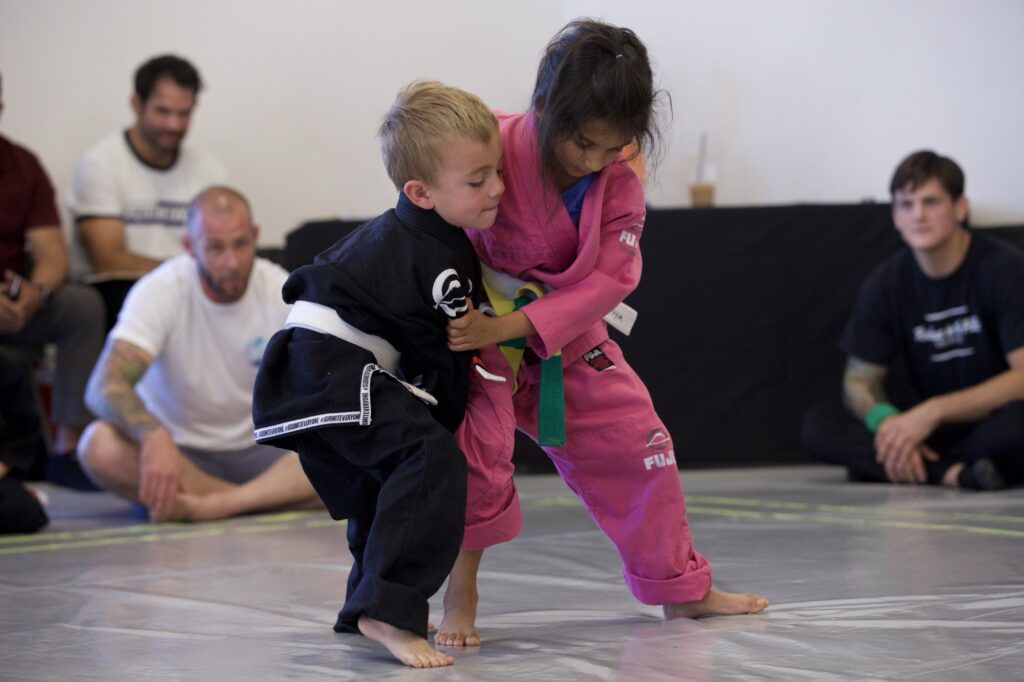
The Impact We Aim to Make as Our Youth Return to School: El Dorado Hills Jiu Jitsu

As summer winds down and backpacks are packed once again, the mats at El Dorado Hills Jiu Jitsu remain an important place of growth and support for our youth students. While school brings with it academics, new routines, and social challenges, our goal remains steady: to help our students return to the classroom with confidence, resilience, and strong character.

Here’s how we aim to make a meaningful impact on our youth as they head into the school year:

💪 Building Confidence That Carries Over

Whether it’s speaking up in class, standing up for what’s right, or simply raising a hand to ask a question, confidence is essential. On the mat, our students face physical and mental challenges daily. They learn that mistakes are part of growth and that perseverance builds strength. We remind them that the same bravery they show during sparring or drilling can be brought into the classroom and into life.

🧠 Reinforcing Focus and Discipline

The discipline we teach through repetition, structure, and self-control helps students thrive academically. Jiu Jitsu is not just about movement. In fact, it’s about paying attention, following instructions, and staying composed under pressure. These habits translate directly into better study skills, classroom behavior, and emotional regulation.
🤝 Encouraging Respect and Humility

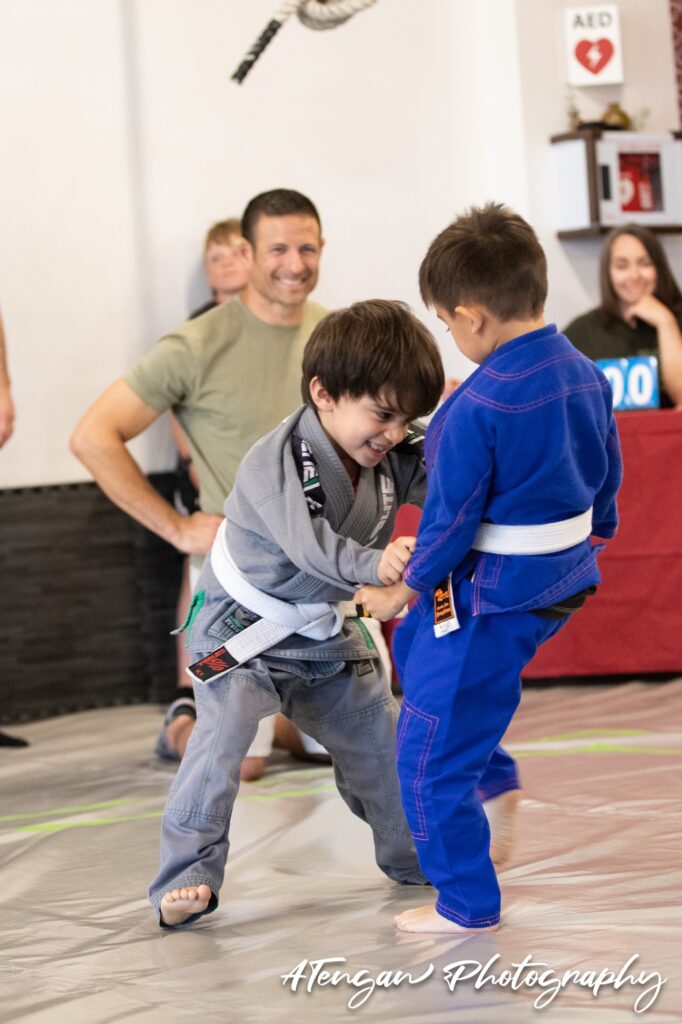
Respect is one of the pillars of our youth program. We bow to our partners, listen to our coaches, and learn how to win and lose with grace. These values are critical in school, where young students interact with peers, teachers, and authority figures every day. We help them understand that strength and kindness are not opposites, they are companions.

🛡️ Empowering Students to Handle Challenges

School can be a tough place. From bullying to peer pressure, we know the environment isn’t always easy to navigate. Through training camps, discussions, and mat chats, we equip our students with strategies to protect themselves, set boundaries, and seek help when needed. Most importantly, we foster a sense of community so they know they’re never alone.

🔄 Staying Consistent Through Transitions

The transition back to school can be overwhelming, especially after a fun and free summer. That’s why we maintain a consistent and encouraging training environment. As everything else shifts with new teachers, new classes, new schedules, Jiu Jitsu remains a steady source of confidence and stability. We’re here every week, helping them work toward their goals.
🌱 A Place to Grow, Year-Round

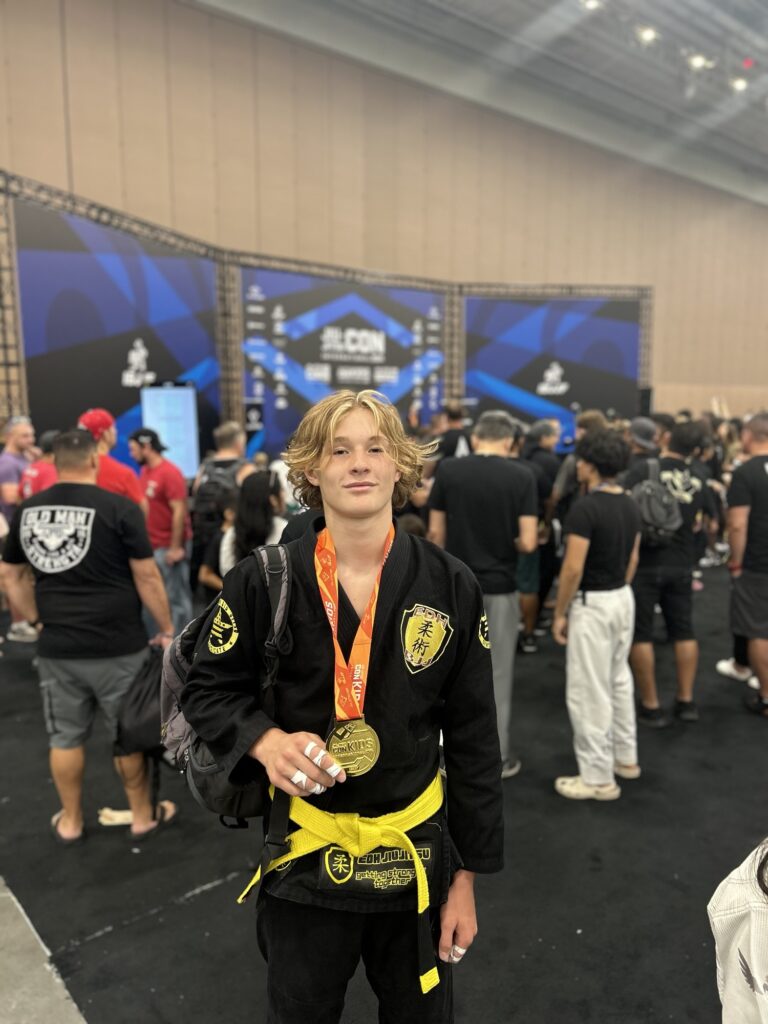
Our mission at El Dorado Hills Jiu Jitsu is not just to develop martial artists, instead it’s to help raise strong, thoughtful, and resilient young people. As they go back to school, we take pride in knowing that we’re supporting more than their physical development. We’re shaping leaders, role models, and compassionate members of our community.

To our students: You’ve got this.

To our families: We’re with you every step of the way.

Let’s make this school year one of strength, growth, and confidence on and off the mat.

— The EDH Jiu Jitsu Team 🥋

The Power of a Frame: Small Adjustments, Big Results: El Dorado Hills Jiu Jitsu Blog

In Jiu Jitsu, the difference between control and chaos often comes down to inches. One of the best examples of this is the concept of a frame. A frame is a structure you create with your body—usually with your arms or legs—to manage space and absorb pressure. It’s a simple idea, but when used correctly, it can transform your ability to stay safe, maintain posture, or create openings to attack and escape.

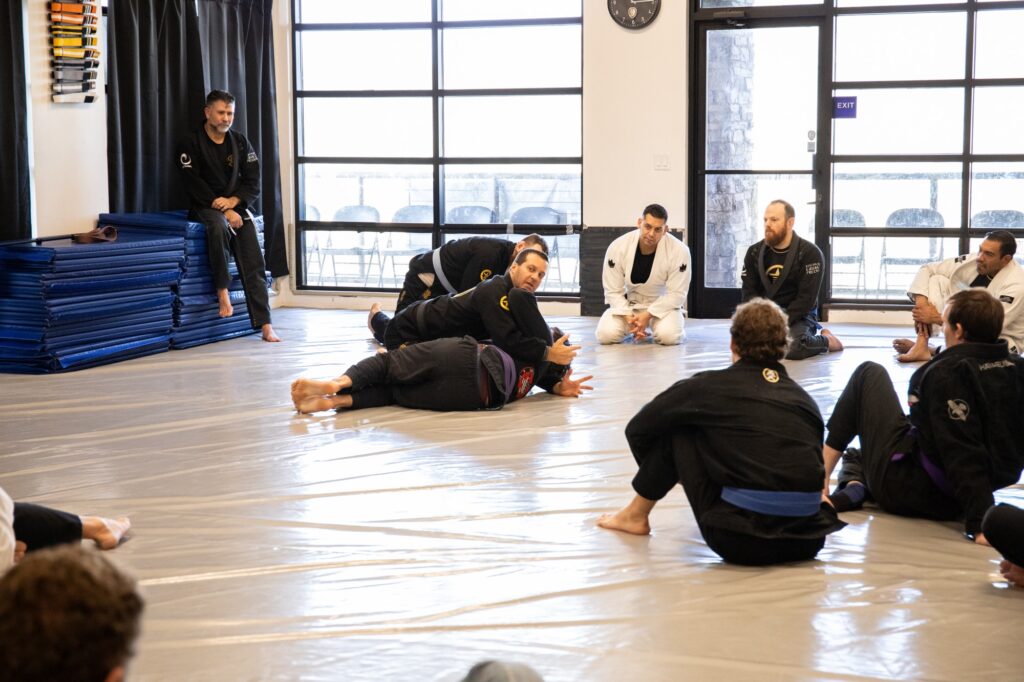
Let’s take a look at a common example: someone caught inside closed guard.

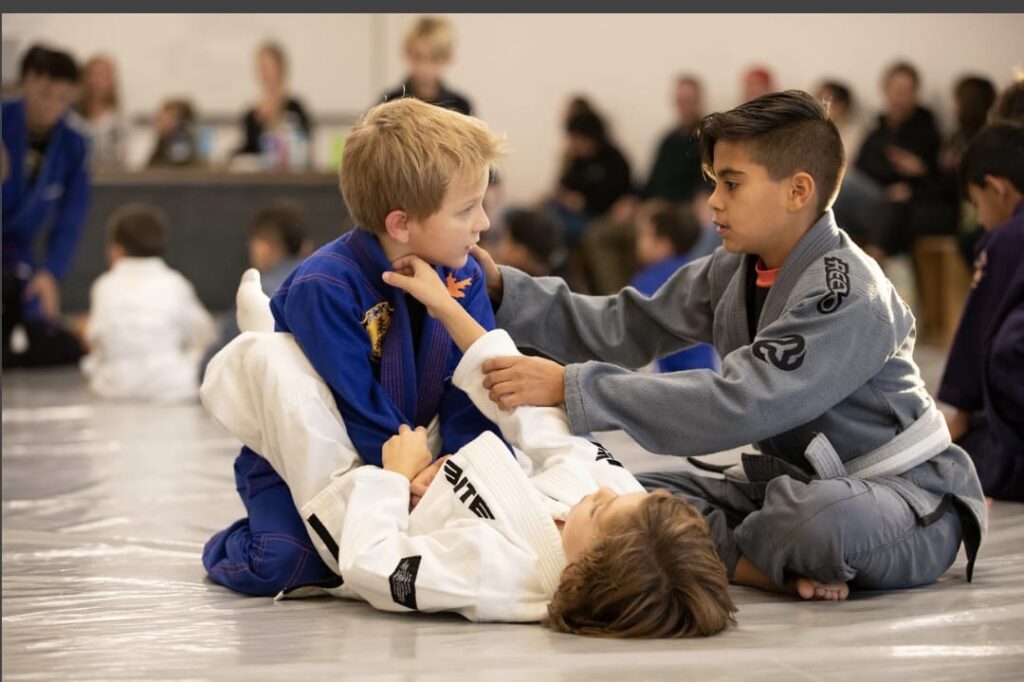
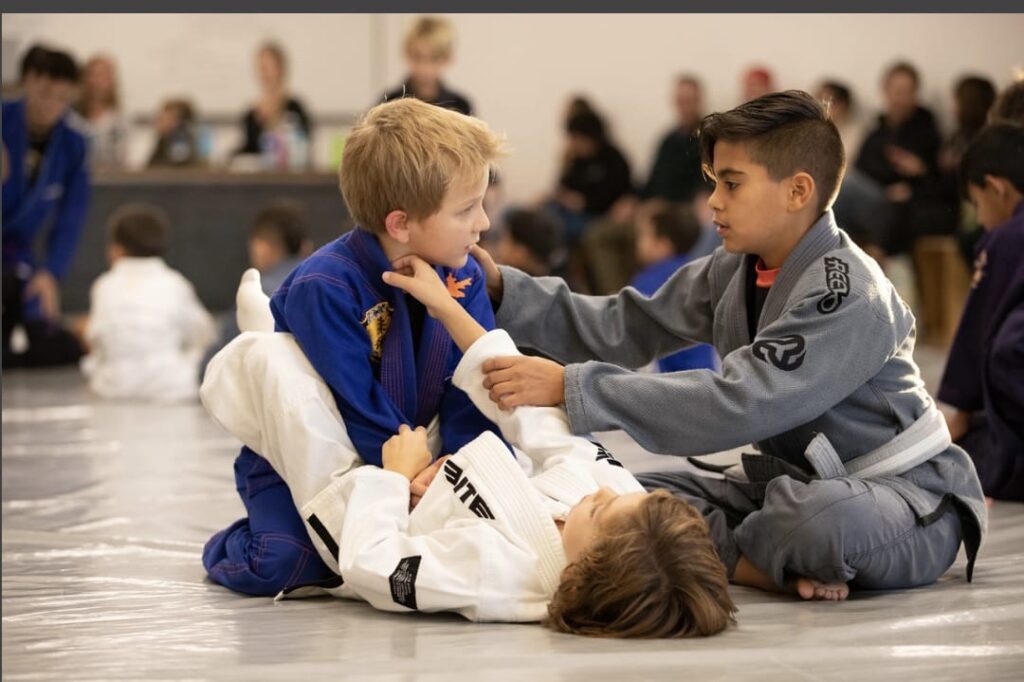
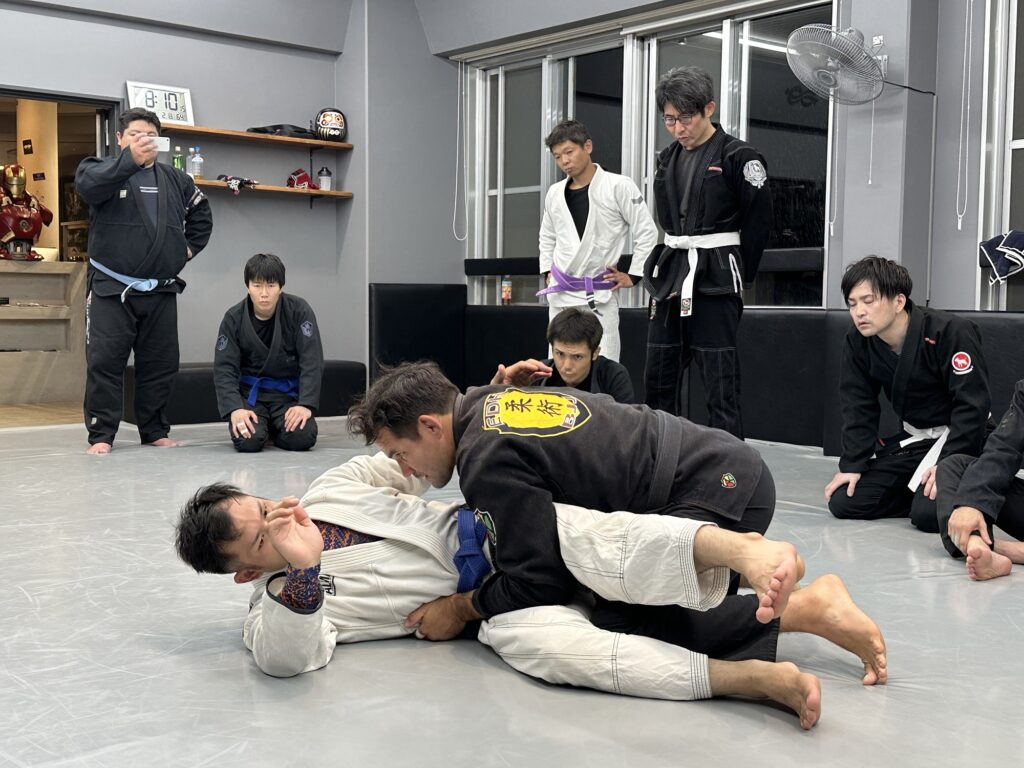
If you’re inside your partner’s closed guard and you place your hands on their torso or hips, your arms and core work together to form a frame. That frame acts like a shock absorber. When the person on bottom tries to pull you in, your structure resists. You maintain posture, you stay balanced, and you’re in a better position to open the guard or initiate your own offense.

But now let’s say you move those same hands a few inches sideways and place them on the mat. Technically, you’re still using your arms but now, they’re no longer helping your posture. Instead of being part of a strong frame, they’re disconnected from the force pulling you forward. When your opponent pulls you in, your frames are working but not in the correct location. The guard player is able to use their hips and body freely and you end up giving them the advantage. You’ve gone from structured resistance to becoming part of their momentum.

What changed? Just a few inches.

This is the beauty and challenge of Jiu Jitsu. Precision matters. A good frame isn’t just about putting something somewhere near the right spot. It’s about understanding how structure works, how pressure moves, and how small changes lead to big differences.

At El Dorado Hills Jiu Jitsu, we help our students learn to recognize these subtle adjustments. Whether you’re a beginner learning how to survive closed guard, or a seasoned grappler sharpening your pressure and movement, developing an awareness of your frames is key. It’s not just about strength it’s about structure, timing, and placement.

Next time you roll, pay close attention to your frames. Are they really supporting your posture? Are they positioned with purpose? Often, the smallest shift can lead to the biggest result.

See you on the mat.

El Dorado Hills Jiu Jitsu

Precision. Structure. Growth.

El Dorado Hills Jiu Jitsu Youth No-Gi Program Begins Monday, May 12th

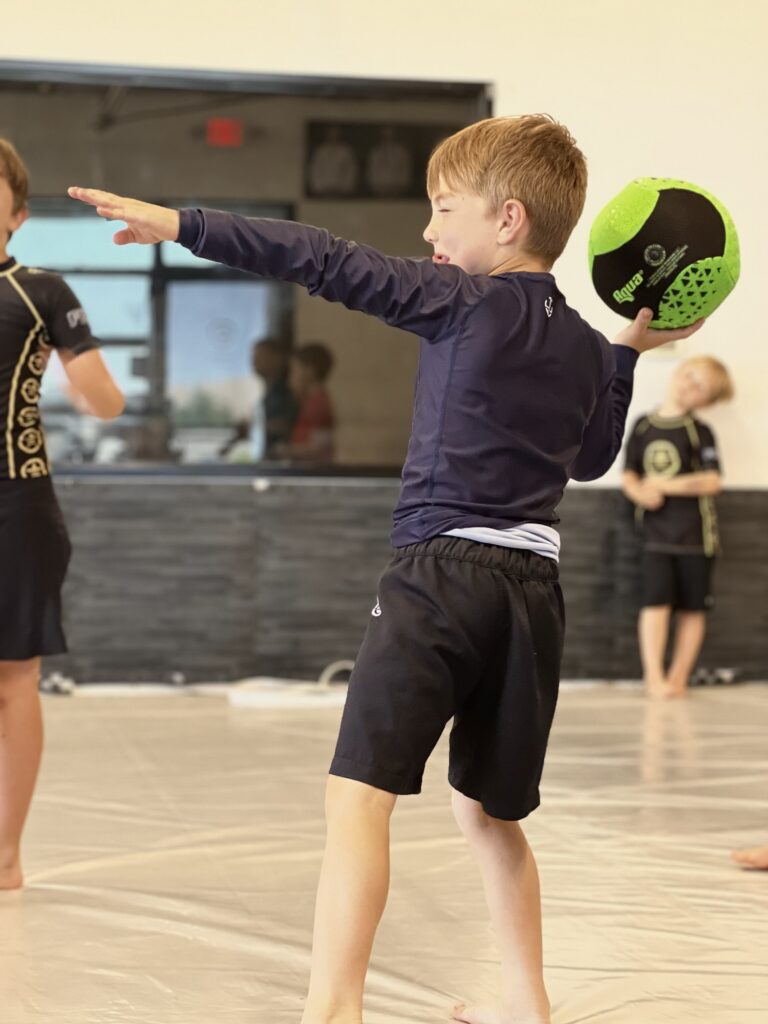
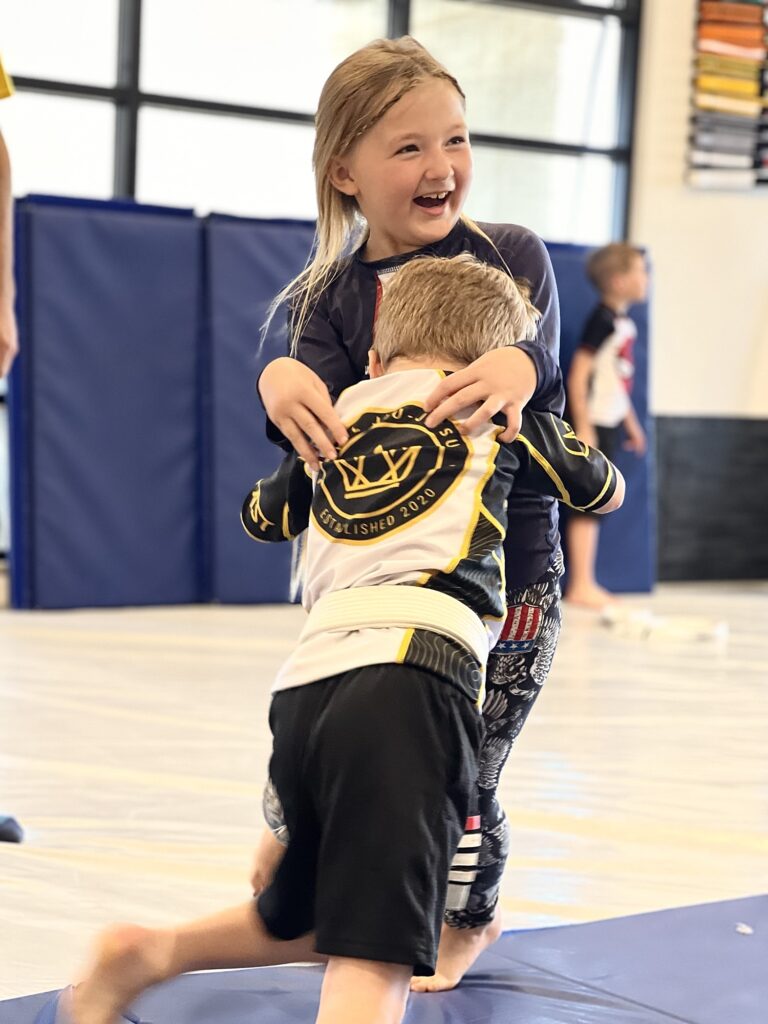
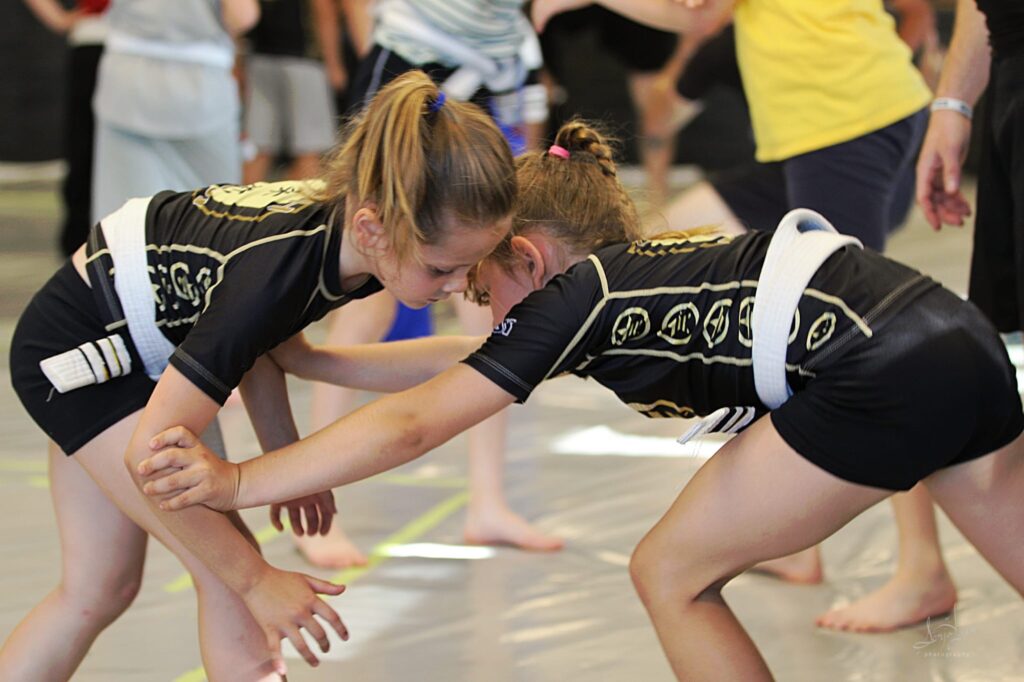
Summer is here, and that means it’s time for a new season of training at El Dorado Hills Jiu Jitsu! Starting Monday, May 12th, our youth no-gi Jiu Jitsu program officially kicks off for the summer months. All students in our Peewee (ages 4–6), Kids (ages 7–10), and Juniors (ages 11–17) programs will transition from gi to no-gi Jiu Jitsu through the end of the season.

Why No-Gi Jiu Jitsu for Kids?

No-gi Jiu Jitsu helps young athletes improve their speed, agility, and positional control. Training without the traditional gi encourages students to develop strong body mechanics, better grips using underhooks and clinches, and a more dynamic grappling style. This summer shift gives our students the opportunity to enhance their self-defense skills, mat awareness, and confidence in a new environment.

Whether your child is new to Brazilian Jiu Jitsu or a returning student, no-gi training provides valuable cross-training that complements their overall martial arts development.

What to Bring to No-Gi Class

Students should come prepared with:

  • A rash guard (short or long sleeve)
  • Athletic shorts (no zippers, pockets, or loose fabric)

If you’re looking for high-quality no-gi gear, stop by our shop to order what you need.

Join the Best Youth Jiu Jitsu Program in El Dorado Hills

At El Dorado Hills Jiu Jitsu, we offer a structured curriculum that builds discipline, confidence, and technique in a fun and safe environment. With world-class instruction and age-appropriate training, our no-gi summer program is a great way to keep your child active, focused, and growing.

We can’t wait to see our students hit the mats this summer in no-gi!

Questions? Contact us today or visit our website to learn more about our youth martial arts classes in El Dorado Hills.

The Power of Visualization in BJJ

BJJ isn’t just about strength or speed—it’s about strategy, problem-solving, and muscle memory. One of the best ways to improve, even when you’re off the mats, is visualization.

What is Visualization?


It’s mentally rehearsing techniques, movements, and scenarios without physically doing them. This builds neural pathways in your brain, making it easier to execute moves in real time.

Benefits of Visualization for BJJ

Enhances Muscle Memory – Mentally drilling moves helps reinforce them, making them feel natural when you roll.

Improves Reaction Time – Visualizing different scenarios helps you react faster in live sparring.

Reduces Anxiety & Boosts Confidence – Seeing yourself succeed in your mind makes you more prepared and confident on the mat.

Maximizes Training Off the Mats – If you’re injured or can’t train, visualization keeps your game sharp.

How to Use Visualization

Pick a technique (e.g., armbar from guard).
Close your eyes & picture each step in detail.
Feel the movement—grips, weight shifts, control.
Repeat regularly—just like physical drilling.

BJJ is just as much mental as it is physical. Spend a few minutes visualizing daily, and watch your game improve!

The Hidden Lessons of Peer-to-Peer Coaching in Jiu Jitsu

At El Dorado Hills Jiu Jitsu, we understand that competitive success is important. Parents want their kids to excel, gain confidence, and perform well in competition. But some of the most valuable lessons in Jiu Jitsu—the ones that help kids grow into strong, capable adults—happen in ways that don’t always look like traditional learning. Moments of peer-to-peer coaching, collaboration, and mentorship build critical life skills that go beyond winning medals.

Learning to Teach, Learning to Learn

Example: Your child is paired with a newer student who is struggling with a technique. Instead of rushing ahead, they slow down, explain the movement, and offer guidance.

Why It Matters: Teaching reinforces understanding. If a child can explain a technique to someone else, it means they truly understand it themselves. More importantly, they learn patience, leadership, and communication—skills that are just as valuable in school, sports, and eventually, their careers.

Building a Better Community Through Collaboration

Example: Your child and their training partner can’t quite get a new move to work. Instead of getting frustrated, they start problem-solving—adjusting grips, angles, and timing until they figure it out together.

Why It Matters: This teaches adaptability and teamwork. In competition, athletes often face unpredictable situations, and the ability to think critically under pressure is what separates good competitors from great ones. The habit of working through challenges with others helps build resilience and a growth mindset.

However, collaboration doesn’t mean tolerating bad behavior. If a training partner is being overly aggressive or unsafe, it’s important that your child knows when to speak up. Teaching kids to advocate for themselves and communicate concerns to a coach is an essential part of leadership and self-respect.

Mentorship and Accountability

Example: Your child loses a tough round in training. Instead of sulking, they watch a more experienced teammate offer advice to a struggling white belt. Inspired, they shift their mindset and start helping others as well.

Why It Matters: Jiu Jitsu is a long journey. Success isn’t just about physical skill; it’s about attitude, mindset, and perseverance. By mentoring others, kids learn accountability—not just for their own progress, but for the well-being of their teammates. That sense of responsibility creates better competitors and, more importantly, better people.

At EDH Jiu Jitsu, we train champions—not just in competition, but in life. The ability to teach, collaborate, and mentor is just as crucial as technical skill. While medals and trophies are exciting, the long-term benefits of learning how to lead, adapt, and support others are what truly set athletes apart.

The Art of Pressure in Jiu Jitsu: How to Develop It Over Time

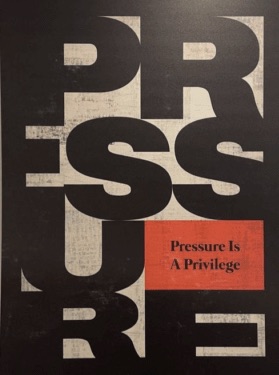
One of the most valuable skills in Brazilian Jiu Jitsu isn’t just about speed or submissions—it’s about pressure. High-level grapplers can make even the simplest positions feel unbearable for their opponents by applying steady, controlled pressure. But how do you develop this skill? At El Dorado Hills Jiu Jitsu, we believe learning to apply pressure is a journey that takes time, technique, and experience.

What is Pressure in Jiu Jitsu?

Pressure in BJJ isn’t just about weight—it’s about how you distribute force, use leverage, and control space. Whether it’s a crushing top game or a suffocating guard, proper pressure can make opponents feel trapped and exhausted. Some key components of effective pressure include:

  • Connection: Staying tight to your opponent to limit their movement.
  • Weight Distribution: Using your body weight effectively, often shifting it to maximize discomfort.
  • Structure: Maintaining a strong base so your pressure remains stable.
  • Timing: Knowing when to apply more or less pressure to keep your opponent off balance.

How to Develop Pressure Over Time

1. Start with Positional Control

Before you can apply pressure, you need to understand how to control a position. Focus on staying tight in side control, mount, and half guard, preventing unnecessary space between you and your opponent. When drilling, concentrate on keeping your hips heavy and eliminating any gaps.

2. Learn to Use Your Hips and Chest

Good pressure comes from more than just dropping your weight—it’s about where you apply it. Instead of relying on arms to pin someone down, use your hips, chest, and shoulders to create discomfort. A well-placed shoulder in side control, for example, can feel like a ton of bricks.

3. Improve Your Base and Balance

Pressure without balance is useless. If you’re applying heavy pressure but can easily be swept, you’ll lose control. Work on your base by practicing low, stable stances and staying aware of your opponent’s movements.

4. Focus on Micro Adjustments

The difference between good and great pressure is in the details. Small adjustments, like angling your hips differently or adjusting your grip, can significantly increase the discomfort your opponent feels. These adjustments take time and experience to master, so pay attention to how small changes affect your control.

5. Train with a Purpose

When rolling, make pressure a focal point. Instead of rushing for submissions, see if you can make your opponent carry your weight. Try slow, methodical rolling, where you force yourself to maintain pressure before advancing.

6. Learn from Experienced Grapplers

One of the best ways to develop pressure is by feeling it yourself. Train with black belts or higher-level grapplers and take note of what makes their pressure effective. Ask questions and observe how they distribute weight and maintain control.

7. Be Patient

Developing crushing pressure isn’t something that happens overnight. It takes months—sometimes years—of refining your technique and body mechanics. Trust the process and focus on small improvements each time you train.

Final Thoughts

Mastering pressure in Jiu Jitsu is like sculpting—it requires patience, precision, and time. At El Dorado Hills Jiu Jitsu, we encourage our students to slow down, focus on control, and refine the details that make their pressure game more effective. If you’re looking to improve your top game and overall control, start incorporating these principles into your training.

The next time you roll, remember: good pressure isn’t about strength—it’s about skill. Keep training, and over time, you’ll develop the kind of pressure that makes your opponents wish they were somewhere else!

Challenge Yourself: The Victory of Showing Up in Martial Arts

Martial arts is more than just learning techniques—it’s about growth, discipline, and perseverance. At El Dorado Hills Jiu Jitsu, we believe that success isn’t just measured by wins and losses but by the courage to challenge yourself and the commitment to self-improvement.

The Courage to Start

Every martial artist, no matter how experienced, was once a beginner. Whether you’re stepping onto the mat for the first time or learning a new skill that pushes you outside your comfort zone, the real challenge is simply starting. Growth happens when you embrace that discomfort and push forward, knowing that every small step leads to progress.

Winning by Showing Up

Some days, training feels great—you execute techniques smoothly, control your breathing, and feel confident. Other days, it’s a struggle just to get to class. But at El Dorado Hills Jiu Jitsu, we see every class attended as a victory. The real win in martial arts isn’t about dominating your training partners; it’s about consistently showing up and improving yourself, even when it’s tough.

Embracing the Process

Improvement in martial arts doesn’t happen overnight. It’s built through small moments of growth:

  • Learning to remain calm under pressure
  • Developing confidence in difficult positions
  • Understanding a new concept, even if execution takes time

These incremental gains add up, shaping you into a stronger, more skilled, and more resilient martial artist.

The Ultimate Goal: Personal Growth

At El Dorado Hills Jiu Jitsu, we emphasize that Jiu Jitsu is a journey, not a race. It’s easy to get caught up in competition results or comparing yourself to others, but real success comes from continuous learning and self-improvement. When you focus on personal growth rather than external validation, you’ll find deeper fulfillment in your training.

So, the next time you feel unmotivated or frustrated, remember this: just by stepping onto the mat, you’re winning. Every class, every rep, and every challenge you embrace brings you one step closer to becoming the best version of yourself.

Keep training, stay committed, and enjoy the journey. See you on the mats at El Dorado Hills Jiu Jitsu!

The Way of Tea and Martial Arts Part 3: Purity (Sei) and Tranquility (Jaku) – The Warrior’s Inner Peace

The Way of Tea (Chadō) is more than just preparing and drinking tea—it is a philosophy deeply rooted in discipline, mindfulness, and respect. The same values that guide the Japanese tea ceremony also serve as pillars of martial arts training. At El Dorado Hills Jiu Jitsu, we believe that the principles of Chadō—harmony (wa), respect (kei), purity (sei), and tranquility (jaku)—align perfectly with the mindset needed to excel in Jiu Jitsu.

In part three of this three-part series, we’ll explore how the wisdom of the tea ceremony applies to martial arts, helping practitioners refine their skills both on and off the mat.

In Chadō, purity (sei) and tranquility (jaku) represent a clear mind and a peaceful spirit. The tea master ensures that every tool is clean and every movement is intentional. Similarly, in Jiu Jitsu, mental clarity and inner calm are crucial to success.

1. Purity: A Clear Mind in Training

Distractions and emotions can cloud judgment in sparring. A pure mindset—one free from anger, frustration, or ego—allows for better technique and decision-making.

How to Cultivate a Clear Mind:

  • Approach each training session with curiosity, not frustration.
  • Let go of past mistakes and focus on the present moment.
  • Train consistently to develop instinctive movement.

2. Tranquility: Staying Calm Under Pressure

Whether in competition or real-life challenges, staying composed is a mark of a true martial artist. In Jiu Jitsu, panic leads to exhaustion, while relaxation allows for fluid movement and quick thinking.

Tips for Maintaining Tranquility:

  • Control your breathing during intense moments.
  • Accept that mistakes are part of learning.
  • Trust your training and react with confidence.

At El Dorado Hills Jiu Jitsu, we believe martial arts are more than physical techniques—they are a path to mental clarity, discipline, and peace. Join us and experience the deeper side of Jiu Jitsu.

The Way of Tea and Martial Arts Part 2: Respect (Kei) – The Foundation of a Strong Martial Arts Community

The Way of Tea (Chadō) is more than just preparing and drinking tea—it is a philosophy deeply rooted in discipline, mindfulness, and respect. The same values that guide the Japanese tea ceremony also serve as pillars of martial arts training. At El Dorado Hills Jiu Jitsu, we believe that the principles of Chadō—harmony (wa), respect (kei), purity (sei), and tranquility (jaku)—align perfectly with the mindset needed to excel in Jiu Jitsu.

In part two this three-part series, we’ll explore how the wisdom of the tea ceremony applies to martial arts, helping practitioners refine their skills both on and off the mat.

In the Way of Tea (Chadō), respect (kei) is a fundamental principle. Every action in the tea ceremony is performed with deep consideration—not just for the tea itself, but for the guests, the tools, and the tradition. This same level of respect is essential in Jiu Jitsu, shaping the culture of the dojo and the relationships between students and instructors.

At El Dorado Hills Jiu Jitsu, respect is more than just a courtesy—it’s the foundation of growth, trust, and community.

1. Respect for Instructors and the Art of Jiu Jitsu

Martial arts have been passed down for generations, refined by masters who dedicated their lives to understanding combat and self-discipline. Just as a tea master honors the centuries-old tradition of Chadō, Jiu Jitsu practitioners should recognize the lineage of their art.

Traditional ways of showing Respect in Training:

  • Bowing or greeting your coach and training partner upon entering the training space.
  • Listening attentively to instructors and applying feedback.
  • Understanding that learning Jiu Jitsu is a collaborative process between you, your coach, and your partner.

2. Respect for Training Partners

Every training partner is essential to your improvement. Without them, you wouldn’t have anyone to test techniques, develop timing, or sharpen your skills. Training should be a collaborative process, not a battle of egos.

Ways to Show Respect to Training Partners:

  • Control your intensity – Rolling too hard or recklessly increases the risk of injury.
  • Communicate – If you’re injured or uncomfortable, let your partner know.
  • Express gratitude – A simple “thank you” after each round builds a culture of respect.

3. Respect for Yourself

Self-respect means taking care of your body, setting goals, and maintaining discipline in training. It also means understanding your limits and knowing when to rest. A tea master treats every movement with care—likewise, a martial artist should approach training with mindfulness and purpose.

Respect in Everyday Life

The lessons of kei apply to how we interact with others outside the dojo. Whether it’s showing appreciation for family, respecting coworkers, or maintaining humility in success, martial arts teach a level of mindfulness that extends far beyond the mat.

At El Dorado Hills Jiu Jitsu, we cultivate respect not just as a martial arts principle, but as a way of life.http://edhjiujitsu.com

The Way of Tea and Martial Arts Part 1: Harmony (Wa) – Flowing with the Energy of Jiu Jitsu

The Way of Tea (Chadō) is more than just preparing and drinking tea—it is a philosophy deeply rooted in discipline, mindfulness, and respect. The same values that guide the Japanese tea ceremony also serve as pillars of martial arts training. At El Dorado Hills Jiu Jitsu, we believe that the principles of Chadō—harmony (wa), respect (kei), purity (sei), and tranquility (jaku)—align perfectly with the mindset needed to excel in Jiu Jitsu.

In part one of the following three-part series, we’ll explore how the wisdom of the tea ceremony applies to martial arts, helping practitioners refine their skills both on and off the mat.

In the Japanese tea ceremony (Chadō), harmony (wa) is one of the four guiding principles. It represents balance and unity—between the host and guest, between movement and stillness, and between the individual and the surrounding environment. Every action in the tea ceremony is carefully considered, flowing seamlessly into the next. This same sense of balance and flow is at the heart of Jiu Jitsu.

At El Dorado Hills Jiu Jitsu, we teach that success on the mat doesn’t come from brute force but from adaptability, connection, and smooth transitions. Let’s explore how the principle of harmony applies to your martial arts journey.

1. Adapting Instead of Resisting

One of the first lessons in Jiu Jitsu is that forceful resistance is rarely the best approach. When an opponent applies pressure, fighting directly against it often leads to fatigue or getting swept. Instead, practitioners learn to the movement—redirecting energy, adjusting angles, and finding the path of least resistance.

This principle mirrors the tea ceremony’s emphasis on natural, effortless movement. A tea master doesn’t rush or force actions; they move with intention and grace. Similarly, in Jiu Jitsu, techniques become most effective when executed with timing and precision rather than sheer strength.

Examples in Training:

Instead of forcing a guard pass, use your opponent’s reactions to set up the next movement.

  • If someone applies pressure in side control, don’t push directly—find an angle to create space and escape.
  • When defending against a takedown, redirect the force rather than trying to overpower your opponent.

2. Building a Connection with Training Partners

In Chadō, the host and guests work in harmony to create an atmosphere of respect and mutual appreciation. Similarly, Jiu Jitsu training thrives when both partners cooperate, challenge each other, and grow together.

At El Dorado Hills Jiu Jitsu, we emphasize that training is not about “winning” in practice. Instead, it’s about creating a learning environment where both partners benefit. When students train with awareness, adjusting their intensity based on their partner’s skill level and goals, everyone improves more efficiently.

How to Cultivate Harmony in Training:

  • Match your intensity – Don’t overpower a beginner just because you can. Meet them at a level where they can learn and improve.
  • Give and take – Sometimes, allow your partner to work their techniques so they can develop confidence. Other times, challenge them to push their limits.
  • Respect different styles – Some training partners play an aggressive game, while others are more defensive. Learning to work with different styles improves your adaptability.

3. The Flow of Movement and Breath

Just as a tea master moves with precision and economy of motion, a skilled Jiu Jitsu practitioner develops smooth, efficient techniques. This concept is sometimes referred to as “flow state” in martial arts—a condition where movements feel effortless and transitions happen naturally.

Breathing is a key element of this flow. In Jiu Jitsu, beginners often hold their breath when exerting effort, leading to fatigue and tension. In contrast, experienced practitioners breathe rhythmically, keeping their movements relaxed and efficient.

Tips for Better Flow in Jiu Jitsu:

  • Stay relaxed – Tension slows you down and makes your movements rigid. Keep a loose, adaptable posture.
  • Breathe with intention – Use slow, controlled breaths to maintain endurance and composure.
  • Anticipate transitions – Rather than reacting at the last second, stay ahead of your opponent’s movement by sensing where the fight is going next.

Applying Harmony Beyond the Mat

The principle of wa extends beyond Jiu Jitsu into daily life. Whether dealing with workplace challenges, personal relationships, or unexpected difficulties, maintaining a sense of balance allows you to handle situations with composure.

At El Dorado Hills Jiu Jitsu, we don’t just teach martial arts—we teach a mindset that enhances every aspect of life. Join us on the mat and experience the power of harmony in Jiu Jitsu and beyond.