Category Archives: community

Fostering a Growth Mindset Through Jiu-Jitsu: A Guide for Parents

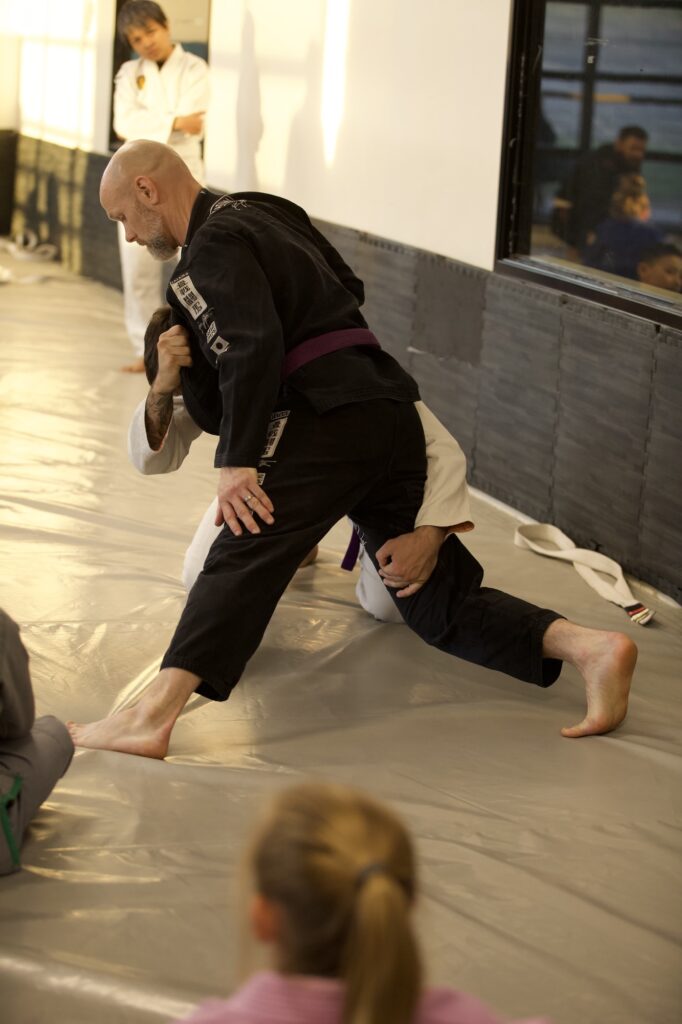
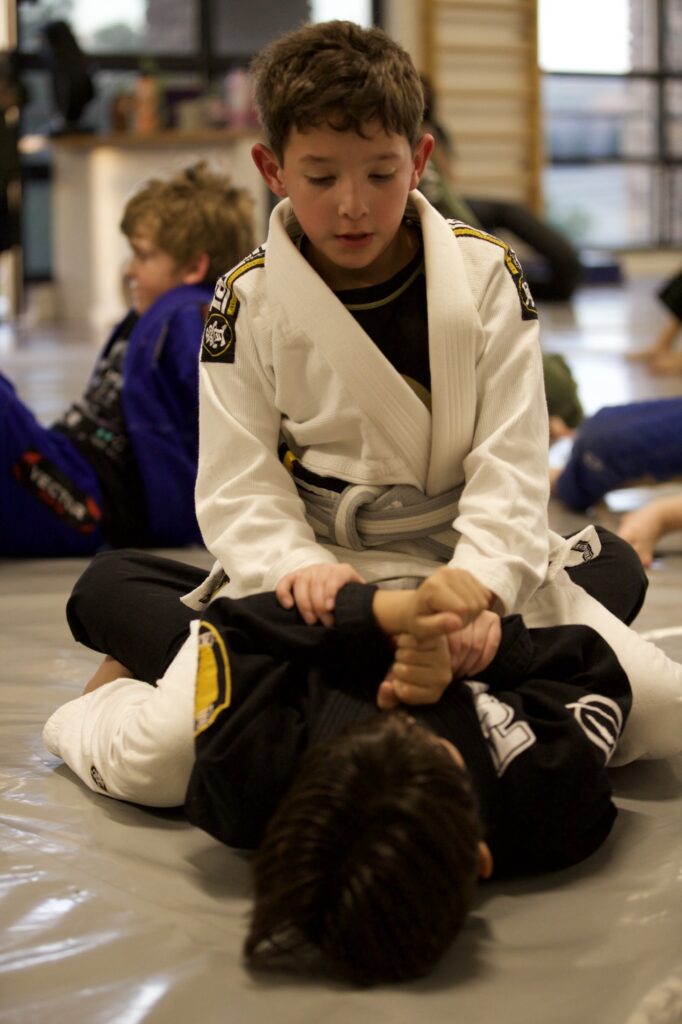
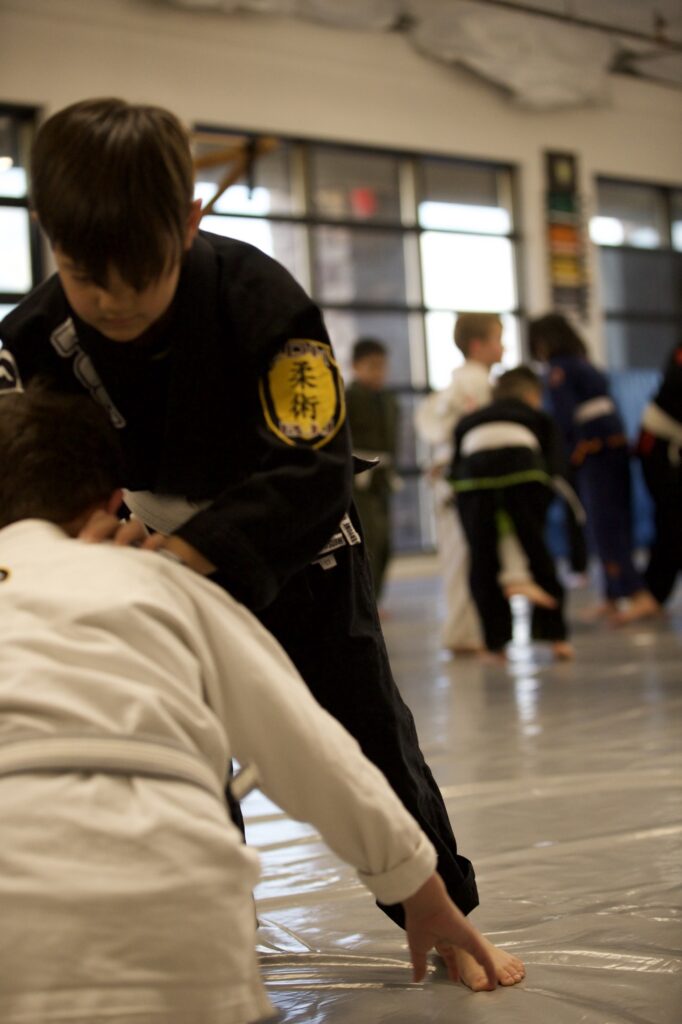
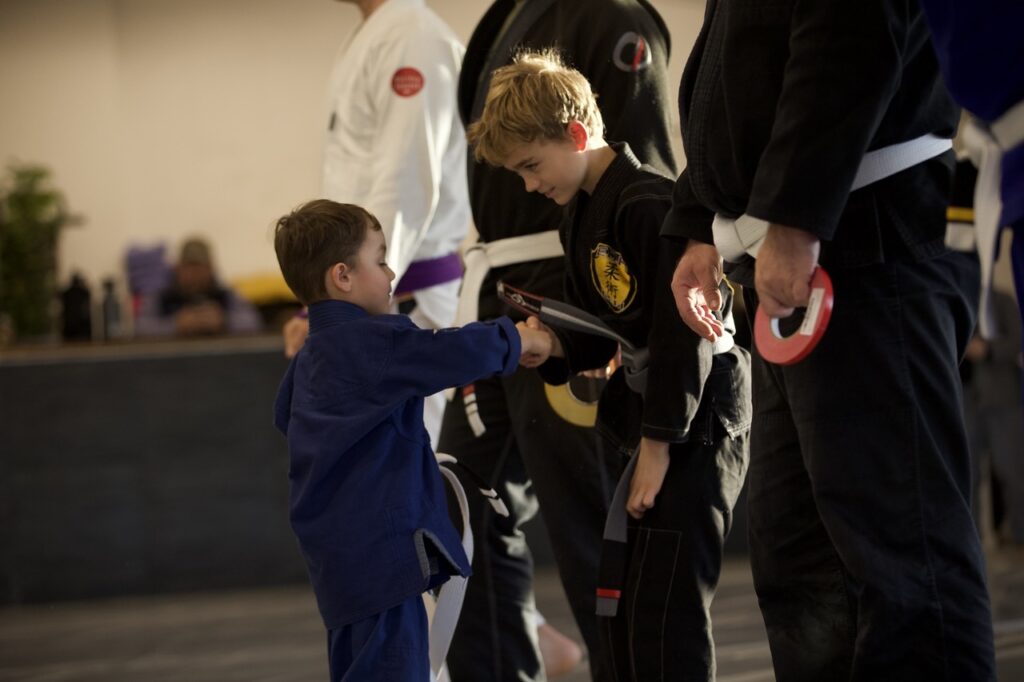
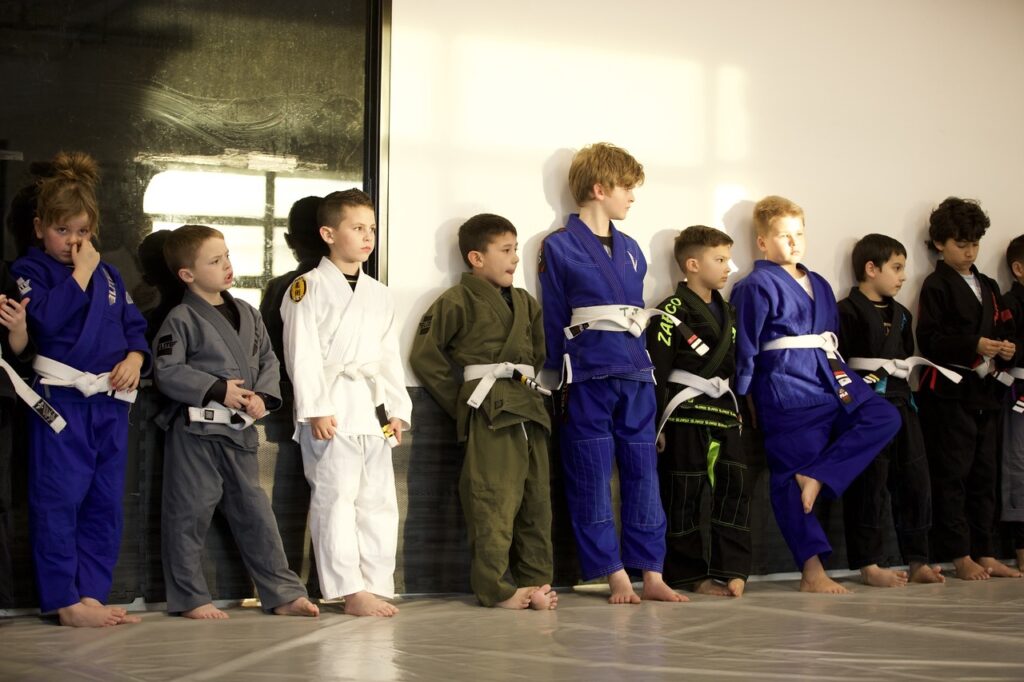
In today’s fast-paced world, instilling a growth mindset in children is more crucial than ever. A growth mindset, the belief that abilities can be developed through dedication and hard work, stands in stark contrast to a fixed mindset, which views abilities as static and unchangeable. One effective way to nurture a growth mindset in children is through the practice of Brazilian Jiu-Jitsu (BJJ). This martial art not only teaches self-defense but also offers profound life lessons that extend beyond the mat. Here’s how parents can leverage BJJ to cultivate a growth mindset in their children.

  1. Embrace Challenges

Lesson from the Mat:
In BJJ, every sparring session presents new challenges. Whether it’s learning a new technique or facing a stronger opponent, the art encourages practitioners to confront and overcome obstacles.

Parental Guidance:
Encourage your child to view these challenges as opportunities for growth rather than threats. Celebrate their efforts in trying new moves, even if they don’t succeed initially. Remind them that mastery comes from repeated practice and learning from mistakes.

  1. Praise Effort, Not Just Results

Lesson from the Mat:
Progress in BJJ is often slow and incremental. It’s common for practitioners to struggle with a technique before finally mastering it.

Parental Guidance:
Focus on praising the effort your child puts into their training rather than the outcome. For instance, instead of saying, “You’re so good at that move,” say, “I’m proud of how hard you worked on that move.” This reinforces the idea that effort leads to improvement.

  1. Learn from Failure

Lesson from the Mat:
In BJJ, losing a match or getting submitted is not seen as failure but as a learning opportunity. Every mistake is a chance to refine techniques and strategies.

Parental Guidance:
Help your child analyze what went wrong and what they can do differently next time. Encourage them to ask their instructor or peers for tips and to view setbacks as a natural part of the learning process.

  1. Cultivate Resilience

Lesson from the Mat:
Resilience is a core component of BJJ. Practitioners often face physically and mentally demanding situations but learn to persist through discomfort and fatigue.

Parental Guidance:
Teach your child the importance of resilience by reinforcing that persistence through tough times builds strength and character. Share stories of well-known BJJ practitioners who faced significant challenges yet persevered.

  1. Encourage Curiosity and Experimentation

Lesson from the Mat:
BJJ is a dynamic and evolving martial art. Practitioners are encouraged to explore different techniques and adapt them to their style.

Parental Guidance:
Promote a curious mindset in your child. Encourage them to try new techniques and variations. Let them know it’s okay to experiment and make mistakes along the way, as this is a crucial part of learning and growth.

  1. Model a Growth Mindset

Lesson from the Mat:
Instructors and senior students in BJJ often model a growth mindset by continually seeking improvement and showing humility in their practice.

Parental Guidance:
Be a role model for your child by demonstrating a growth mindset in your own life. Share your experiences of learning from mistakes and persevering through challenges. Your attitude towards learning and growth will significantly influence your child’s mindset.

Brazilian Jiu-Jitsu offers a unique and effective way to teach children the principles of a growth mindset. By embracing challenges, praising effort, learning from failure, cultivating resilience, encouraging curiosity, and modeling a growth mindset, parents can help their children develop the mental toughness and perseverance needed for success in both martial arts and life. So, throw on that gi, step onto the mat, and embark on this rewarding journey with your child.


What the Rugby Club the “ALL BLACKS” can teach us about training as a team at EDH Jiu Jitsu

In James Kerr’s book “The All Blacks: Legacy,” he delves into the philosophy and culture of New Zealand’s legendary rugby team, the All Blacks. Kerr explores the principles of leadership, excellence, and teamwork that have propelled the All Blacks to unparalleled success in the world of sports. Drawing on insights from players, coaches, and managers, Kerr reveals the values of humility, sacrifice, and relentless improvement that underpin the team’s ethos. He illustrates how these principles can be applied not only in rugby but also in various aspects of life, including business and leadership. Now, let’s explore how this ethos can be applied to our jiu-jitsu team.

At EDH Jiu-Jitsu:

At EDH Brazilian Jiu-Jitsu Academy, we draw inspiration from the philosophy and culture outlined in James Kerr’s book “The All Blacks: Legacy” to cultivate a thriving environment for our practitioners. Our ethos is built on the foundation of humility, respect, and continuous improvement.

Humility:

First and foremost, we emphasize humility within our academy. Every member, regardless of rank or experience, is encouraged to approach training with an open mind and a willingness to learn from others. We believe that humility fosters a culture of respect, where individuals support and uplift each other both on and off the mats.

Continuous Improvement:

Continuous improvement is another cornerstone of our academy’s culture. Similar to the All Blacks’ relentless pursuit of excellence, we encourage our members to push their boundaries and strive for personal growth in their jiu-jitsu journey. Whether it’s refining techniques, expanding their skill set, or setting and achieving goals, we provide the tools and support necessary for our practitioners to evolve and excel.

Teamwork:

Teamwork is fundamental to our academy’s success. Just as the All Blacks prioritize unity and cohesion, we believe in the power of collaboration and camaraderie. We foster a supportive community where teammates motivate and inspire each other to reach new heights. Through teamwork, we not only enhance our performance on the mats but also build lifelong bonds and friendships.

Accountability & Discipline:

Lastly, accountability and discipline are integral aspects of our academy’s culture. We hold ourselves and each other accountable for our actions and commitments, promoting a sense of responsibility and integrity among our members. By instilling discipline in our training regimen and mindset, we cultivate a culture of dedication and perseverance, empowering our practitioners to overcome challenges and achieve their goals.

In essence, at EDH Brazilian Jiu-Jitsu Academy, we strive to embody the principles of humility, continuous improvement, teamwork, accountability, and discipline outlined in “The All Blacks: Legacy.” By embracing this ethos, we create an environment where individuals can grow, thrive, and succeed both on and off the mats.

The Vital Importance of Intentional Training at El Dorado Hills Brazilian Jiu-Jitsu (EDH BJJ)

In the world of Brazilian Jiu-Jitsu (BJJ), mastering the art is not just about physical prowess but also about mental fortitude and strategic thinking. Within this dynamic realm, intentional training plays a pivotal role in shaping practitioners into well-rounded athletes. At El Dorado Hills Brazilian Jiu-Jitsu (EDH BJJ), this ethos of intentional training is not just a philosophy but a way of life, guiding students on a journey towards mastery. Let’s delve into why intentional training is so crucial at EDH BJJ.

1. Mindset Mastery:

Intentional training begins with cultivating the right mindset. At EDH BJJ, students are encouraged to approach each session with focus, determination, and a willingness to learn. This mindset extends beyond the mat, instilling discipline and resilience that translate into all aspects of life.

2. Technical Precision:

In BJJ, technique reigns supreme. Intentional training involves a meticulous focus on mastering techniques, understanding their nuances, and refining execution. Whether it’s a basic sweep or a complex submission, every movement is practiced with purpose and precision at EDH BJJ.

3. Effective Strategy:

BJJ is often likened to a physical chess match, where strategic thinking can be the difference between victory and defeat. Intentional training at EDH BJJ emphasizes not just reacting but proactively planning and executing strategies tailored to individual strengths and opponents’ weaknesses.

4. Physical Conditioning:

Beyond technique and strategy, physical conditioning is essential for peak performance in BJJ. Intentional training involves targeted workouts and drills designed to enhance strength, endurance, and flexibility, ensuring that students are physically prepared to meet the demands of the sport.

5. Continuous Improvement:

At the heart of intentional training is a commitment to continuous improvement. EDH BJJ fosters a culture of growth, where students are encouraged to set goals, track progress, and push their limits. Every roll, every drill, and every challenge is an opportunity to evolve and refine one’s skills.

6. Inclusive Community:

Intentional training thrives in a supportive and inclusive community where students uplift and empower each other. At EDH BJJ, camaraderie and mutual respect are foundational values, creating an environment where everyone can thrive and excel.

7. Lifelong Learning:

BJJ is a journey with no end, and intentional training at EDH BJJ is just the beginning. Students are encouraged to embrace a mindset of lifelong learning, seeking inspiration from instructors, peers, and even opponents, as they continue to evolve and grow both on and off the mat.

In conclusion, intentional training is not just about going through the motions; it’s about approaching each moment with purpose, passion, and a relentless pursuit of excellence. At El Dorado Hills Brazilian Jiu-Jitsu (EDH BJJ), intentional training is the key that unlocks the door to mastery, empowering students to become the best version of themselves, both as athletes and as individuals. So, whether you’re a seasoned practitioner or a novice on the journey, remember: train with intention, and the possibilities are limitless.

Mastering The Power of Consistent Routine at EDH Jiu Jitsu

In the world of martial arts, there exists a profoundly effective discipline known as consistency. Consistency is a super power that is often dismissed when contrasted with intensity. At EDH Jiujitsu, we embrace the value of consistent training over random spurts of intensity training. Does intensity matter? Yes! However not at the expense of consistent, intentional effort over a period of time.

At the heart of EDH Jiu-Jitsu lies a fundamental philosophy: the importance of consistency over intensity. Intensity can be alluring as it’s exciting, hard, rigorous training sessions and bursts of physical exertion looks cool on a highlight reel. However, EDH Jiu-Jitsu places a premium on the steady, disciplined pursuit of improvement over time.

In many ways, the practice at EDH Jiu-Jitsu mirrors the journey of life itself. Just as success in any endeavor often hinges on sustained effort and dedication, mastery of this martial art requires a commitment to regular practice and incremental progress. Rather than relying solely on sporadic bursts of energy and enthusiasm, practitioners of EDH Jiu-Jitsu understand that true growth comes from the daily grind, the small victories, and the relentless pursuit of excellence.

First and foremost, EDH Jiu-Jitsu is not just about physical combat; it’s about cultivating a mindset of resilience, adaptability, and self-awareness. Through the practice of various techniques, drills, and sparring sessions, practitioners learn to anticipate and respond to challenges not only on the mat but also in their everyday lives. By honing their ability to remain calm under pressure, make quick decisions, and adapt to changing circumstances, they become better equipped to navigate the complexities of the modern world.

Moreover, the emphasis on consistency at EDH Jiu-Jitsu fosters a sense of discipline and accountability that extends far beyond the confines of the dojo. By committing to a regular training schedule and holding themselves accountable for their progress, practitioners develop valuable habits and routines that translate into other areas of their lives. Whether it’s pursuing career goals, maintaining healthy relationships, or simply staying fit and active, the discipline practiced at EDH Jiu-Jitsu empowers individuals to strive for excellence in all aspects of life.

Of course, this is not to say that intensity has no place in the practice at EDH Jiu-Jitsu. On the contrary, there are moments when pushing oneself to the limit can lead to breakthroughs and new levels of proficiency. However, the key distinction lies in the balance between intensity and consistency. While occasional bursts of intensity may yield temporary gains, it is the consistent, day-to-day effort that ultimately leads to lasting growth and mastery.

In a world that often glorifies overnight success and instant gratification, the philosophy of EDH Jiu-Jitsu serves as a powerful reminder of the timeless virtues of patience, perseverance, and hard work. By embracing the journey rather than fixating on the destination, practitioners of this martial art discover that true fulfillment comes not from reaching the summit but from the climb itself.

In conclusion, the practice at EDH Jiu-Jitsu offers a compelling case for the importance of consistency over intensity in the pursuit of mastery. By committing to a regular routine of training and self-improvement, practitioners not only enhance their physical skills but also cultivate a mindset of discipline, resilience, and personal growth that serves them well both on and off the mat. So, whether you’re a seasoned martial artist or someone looking to embark on a journey of self-discovery, remember: in the marathon of life, it’s not the sprinters who win the race, but those who have the strength and endurance to go the distance.

Exploring the Dichotomy of Gi and No-Gi Training at EDHBJJ

Brazilian Jiu-Jitsu (BJJ) is a martial art that offers practitioners a diverse range of training options, each with its own unique benefits and challenges. At the Jiu Jitsu academy of El Dorado Hills, students have the opportunity to delve into both gi and no-gi training, each offering a distinct experience that contributes to their overall growth and proficiency in the art. Let’s explore the fascinating differences between gi and no-gi training at EDHBJJ:

1: The Gi: Tradition and Technique

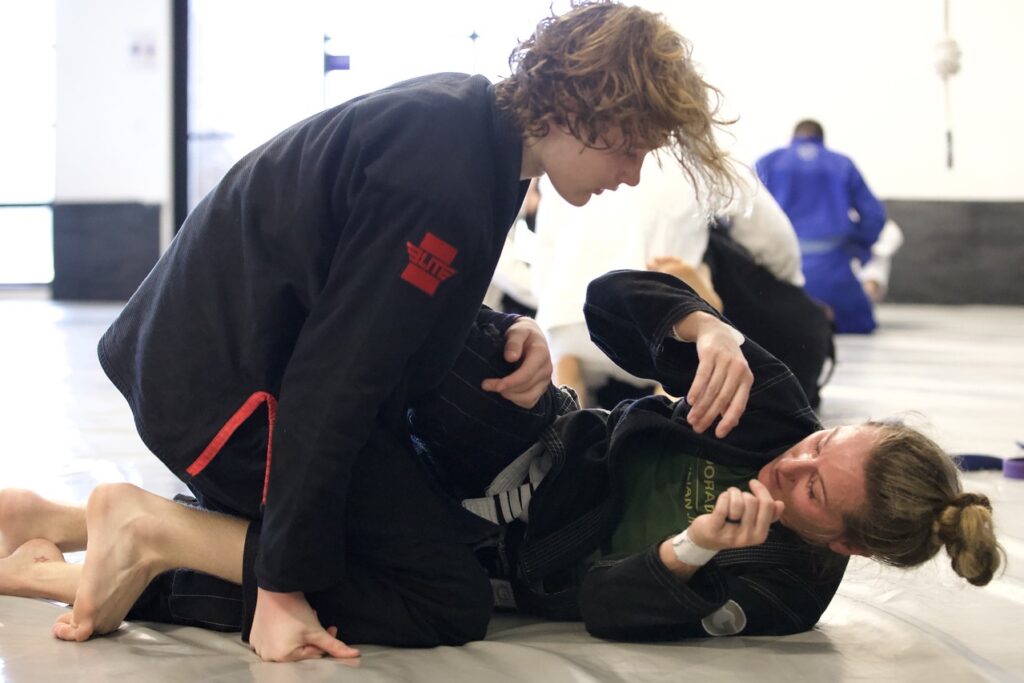
Training in the gi at EDHBJJ embraces the rich tradition of Brazilian Jiu-Jitsu. The gi, or kimono in Portuguese and dougi in Japanese, is a traditional uniform that adds layers of complexity to techniques. Grips on the collar, sleeves, and pants create opportunities for intricate submissions, sweeps, and control techniques. The gi also emphasizes the importance of leverage, timing, and precision, as practitioners learn to manipulate the fabric to their advantage. At EDHBJJ, students immerse themselves in the technical nuances of gi training, honing their skills with a focus on detail and finesse.


2. No-Gi: Speed and Adaptability

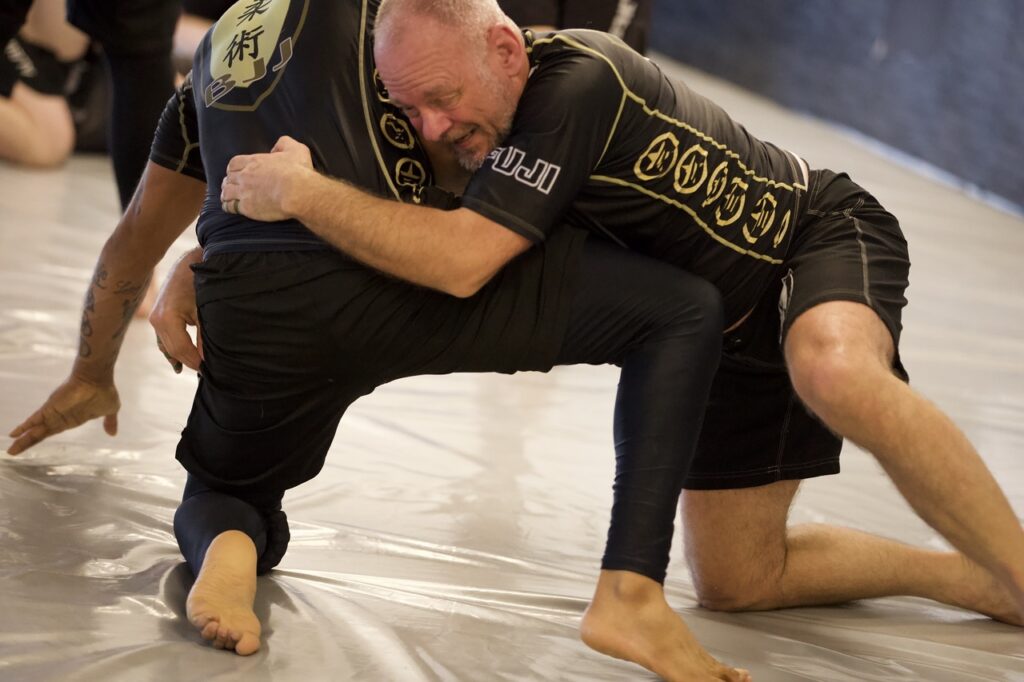
In contrast, no-gi training at EDHBJJ offers a dynamic and fast-paced experience. Without the gi to grip onto, practitioners must rely on different strategies and tactics. No-gi training emphasizes fluid movement, agility, and adaptability. Techniques such as leg locks, foot sweeps, and scrambles become more prevalent as practitioners learn to navigate the absence of traditional grips. No-gi training at EDHBJJ challenges students to think quickly, react decisively, and capitalize on openings with precision and speed.

3. Complementary Benefits

While gi and no-gi training offer distinct challenges, they are inherently complementary. Training in both modalities at EDHBJJ provides students with a well-rounded skill set that translates seamlessly between the two environments. The technical proficiency gained from gi training enhances the precision and attention to detail in no-gi scenarios, while the speed and adaptability cultivated in no-gi training improve the fluidity and agility of techniques in the gi. By embracing both modalities, students at EDHBJJ develop a comprehensive understanding of Brazilian Jiu-Jitsu that extends beyond the confines of any one training style.


4. Community and Camaraderie

Beyond the technical aspects, both gi and no-gi training at EDHBJJ foster a sense of community and camaraderie among students. The shared experience of training together, overcoming challenges, and supporting one another creates bonds that extend beyond the mats. At EDHBJJ, students form lasting friendships and alliances as they journey together through the intricacies of Brazilian Jiu-Jitsu, regardless of whether they train in the gi or no-gi.

In conclusion, the difference in training in the gi and no-gi at EDHBJJ offers students a multifaceted approach to Brazilian Jiu-Jitsu. Whether they’re navigating the grips and controls of the gi or embracing the speed and adaptability of no-gi, students at EDHBJJ develop a comprehensive skill set that prepares them for any scenario. With a focus on tradition, technique, speed, and adaptability, EDHBJJ provides a holistic training experience that transcends the boundaries of any single training modality.

The Power of Kaizen: How Martial Arts at EDHBJJ Embodies Continuous Improvement

In the realm of martial arts, there exists a philosophy deeply rooted in the principles of self-improvement and relentless progress. At El Dorado Hills Brazilian Jiu-Jitsu (EDHBJJ), this ethos finds its embodiment in the concept of Kaizen – the Japanese philosophy of continuous improvement. Let’s delve into how the marriage of Kaizen and martial arts at EDHBJJ fosters personal growth, both on and off the mats.

Kaizen: The Pathway to Mastery

Kaizen, derived from the Japanese words “kai” (change) and “zen” (good), is more than just a methodology; it’s a way of life. At its core, Kaizen emphasizes making small, incremental improvements over time. This principle aligns seamlessly with the journey of a martial artist, where progress is measured not in leaps and bounds, but in consistent, deliberate steps forward.

Our hoodie with kanji: kaizen

The Martial Arts Journey: A Microcosm of Kaizen

In martial arts, the path to mastery is paved with countless hours of training, repetition, and refinement. Students at EDHBJJ understand that excellence is not achieved overnight but through dedication to the process of continuous learning and growth. Each technique mastered, each sparring session endured, is an opportunity to embody the spirit of Kaizen.

Cultivating Discipline and Resilience

Martial arts instills discipline and resilience – two qualities essential for success both on and off the mats. Through the rigorous training regimen at EDHBJJ, students learn to embrace discomfort, push past limitations, and persevere in the face of adversity. These qualities not only enhance one’s performance in martial arts but also translate into other areas of life, from academic pursuits to professional endeavors.

The Community of Support

Central to the ethos of Kaizen is the notion of collective improvement. At EDHBJJ, students form a tight-knit community united by a shared passion for martial arts and a commitment to growth. In this supportive environment, individuals are encouraged to learn from one another, celebrate each other’s successes, and lift each other up in times of challenge.

Beyond the Dojo: Applying Kaizen in Everyday Life

The principles of Kaizen extend far beyond the confines of the dojo. Students at EDHBJJ are encouraged to apply the mindset of continuous improvement to all aspects of their lives. Whether pursuing academic goals, advancing in their careers, or nurturing personal relationships, the spirit of Kaizen serves as a guiding light, empowering individuals to strive for excellence in every endeavor.

In the dynamic intersection of martial arts and the philosophy of Kaizen, EDHBJJ cultivates not just skilled fighters, but resilient, disciplined individuals poised for success in all facets of life. Through the pursuit of continuous improvement, students embark on a journey of self-discovery, unlocking their full potential one small step at a time. As they say at EDHBJJ, the path to mastery is not a destination but a lifelong pursuit, fueled by the unwavering commitment to Kaizen.

Enhancing Self-Defense with Brazilian Jiu-Jitsu: A Comprehensive Guide

Brazilian Jiu-Jitsu (BJJ) is not just a martial art; it’s a comprehensive system of self-defense that empowers individuals to protect themselves in real-world situations. Developed from traditional Japanese Jiu-Jitsu and Judo, BJJ focuses on leverage, technique, and strategy rather than size or strength, making it an ideal choice for self-defense. In this guide, we’ll explore how BJJ can enhance your self-defense skills and provide practical tips for integrating it into your self-defense repertoire.

Understanding the Principles of BJJ:

1. Grappling and Ground Fighting: BJJ emphasizes ground fighting and grappling techniques, which are essential for self-defense situations where the fight ends up on the ground.

2. Positional Control: BJJ teaches practitioners how to control and dominate opponents from various positions, including the mount, guard, side control, and back control.

3. Submissions and Escapes: BJJ practitioners learn a wide array of joint locks, chokes, and submission holds to immobilize or incapacitate attackers. Additionally, they are trained in escapes to counter opponent attacks and regain control of the situation.

Applying BJJ for Self-Defense:

1. Neutralizing Threats: In self-defense scenarios, BJJ enables practitioners to neutralize threats without resorting to excessive force. Techniques such as clinching, takedowns, and sweeps allow individuals to control attackers and prevent further escalation.

2. Defending Against Strikes: BJJ provides effective strategies for defending against strikes and punches, including blocking, parrying, and closing the distance to engage in grappling exchanges.

3. Ground Defense: Given that many altercations end up on the ground, BJJ equips individuals with the skills to defend themselves effectively in these situations. Practitioners learn how to protect themselves from strikes, escape inferior positions, and submit attackers using joint locks or chokes.

Practical Tips for Integrating BJJ into Self-Defense:

1. Regular Training: Consistent training is essential for mastering BJJ techniques and developing muscle memory. Attend classes regularly and dedicate time to practicing drills and sparring.

2. Focus on Fundamentals: Mastering the fundamentals of BJJ, such as posture, base, and leverage, lays a solid foundation for effective self-defense. Pay close attention to details and refine basic techniques before advancing to more complex moves.

3. Realistic Scenario Training: Incorporate realistic self-defense scenarios into your training regimen. Practice situational awareness, verbal de-escalation, and physical techniques in simulated encounters to prepare for real-life situations.

4. Adaptation and Flexibility: Recognize that self-defense situations are unpredictable and dynamic. Be prepared to adapt your BJJ techniques to different environments, opponents, and scenarios as needed.

Conclusion:

Brazilian Jiu-Jitsu offers valuable tools for self-defense, empowering individuals to protect themselves effectively in a variety of situations. By understanding the principles of BJJ, applying its techniques for self-defense, and integrating it into regular training, practitioners can enhance their confidence, security, and ability to defend themselves against threats. Whether you’re a beginner or an experienced martial artist, BJJ provides a practical and effective approach to self-defense that anyone can learn and benefit from.

Empower Yourself: Basic Self-Defense concepts Everyone Should Know

In today’s world, knowing how to protect yourself is essential. Whether it’s walking alone at night or navigating unfamiliar surroundings, having a few basic self-defense techniques up your sleeve can provide a sense of security. Here, we’ll explore some fundamental strategies that anyone can learn and practice.

1. Awareness is Key: The cornerstone of self-defense is awareness. Stay alert, trust your instincts, and be mindful of your surroundings at all times. Avoid isolated or poorly lit areas, and stay clear of potentially risky situations whenever possible.

2. Confidence and Assertiveness: Predators often target those who appear vulnerable. Projecting confidence and assertiveness can deter potential attackers. Stand tall, make eye contact, and communicate assertively when setting boundaries or expressing discomfort.

3. Use Your Voice: Your voice can be a powerful tool in self-defense. In a threatening situation, use a loud, authoritative voice to command attention and attract help. Shout phrases like “Back off!” or “Help!” to draw attention to your situation.

4. Defense Against Grabs and Holds: If your attacker grabs you, there are several techniques you can use to break free: • Wrist Release: To escape a wrist grab, twist your arm in the direction of your thumb’s knuckle while pulling away. • Escape Holds: If pinned against a wall or grabbed from behind, use leverage and body positioning to create space and escape. Practice techniques to break free from various holds and restraints.

5. Practice Regularly: Like any skill, self-defense techniques require practice to become effective. Consider taking a self-defense class or practicing with a partner to reinforce your skills and build muscle memory.

Remember, the goal of self-defense is to escape from a dangerous situation unharmed. While physical techniques can be useful, avoidance and de-escalation should always be your first priorities. By staying aware, projecting confidence, and learning basic self-defense techniques, you can increase your safety and confidence in any environment.

Japan Day at CSU Sacramento: A Celebration of Culture and Martial Arts

Japan Day at CSU Sacramento is an annual event that brings the vibrant culture of Japan to California’s capital. This day offers students and the community a chance to experience Japanese traditions, arts, and food. One of the highlights is the Jiu-Jitsu demonstration, showcasing the ancient martial art’s techniques and philosophy.

The event takes place on the university campus, filled with decorations, music, and the scent of Japanese cuisine. Attendees can explore Japanese culture through displays, workshops, and performances.

The Jiu-Jitsu demonstration is a standout feature, where skilled practitioners showcase grappling, joint locks, and submission holds. What’s unique is the emphasis on respect, discipline, and self-improvement inherent in Jiu-Jitsu philosophy. It’s not just about physical moves but also about mental and spiritual growth.

The demonstration also promotes cultural exchange, as instructors share insights into Jiu-Jitsu’s historical significance in Japan. Audience participation adds to the sense of community and learning.

Japan Day provides a glimpse into Japanese culture, from martial arts to tea ceremonies and calligraphy. The Jiu-Jitsu demonstration captivates with its blend of skill, philosophy, and tradition, leaving attendees with a deeper appreciation for Japan’s spirit.

BJJ demonstration at Japan Day in Sacramento

On April 21, Japan Club of CSU Sacramento hosted their 17th Japan Day celebration.

The event included taiko performance, Japanese dance, bun eating contest, soran bushi, and a martial arts demo featuring jujutsu.

From El Dorado Hills jiujitsu we had 10 performers choreograph a display of technique, dynamic movement, self defense concepts and how different bodies can interact regardless of age or size.

Performing a jiujitsu demonstration has a few great benefits. One, a demo is a great way to help an audience see and better understand what jiujitsu is. Two, practicing and performing a demo gives the performer an opportunity to be creative and find a way to showcase the martial art. Three, the act of performing simulates a competition type experience.

A jiujitsu demo is a great way to help an untrained eye see and understand the subtle nuances of the martial art. While it might be best to actually step on the mat and do a trial class to really experience the potential of jiujitsu, a demo done right helps the audience notice the different concepts of leverage, control, pressure, and more. Additionally a demo can condense something that might take 5 to 10 minutes to happen in a match into less than a minute.

There is an element of creative expression built into the practice of jiujitsu in general. Different body types and personalities allow for a differing expression of the martial art to come about. In choreography of a demo a student can work with a partner to fully express their style of jiujitsu and reveal elements of themselves through their performance.

Competition requires mental, physical, and technical preparation and a demo can be very similar. Although the environment is not a competitive setting, there is an expectation to perform the choreography. This can cause similar pre match jitter and excitement. Whether it be performing for a tournament for a demo the feelings and thoughts that set in prior to performing is quite similar. Experiencing these feelings gives us an opportunity to learn different coping strategies and how to deal with our thoughts, feelings, the controllable and uncontrollable.

Thank you Japan day for hosing us, and congratulations to the performers who were able to make an impression on the audience with their display of jiujitsu.