Tag Archives: grappling

The Importance and Difficulty of Mastering Closed Guard in Brazilian Jiu-Jitsu | EDH BJJ

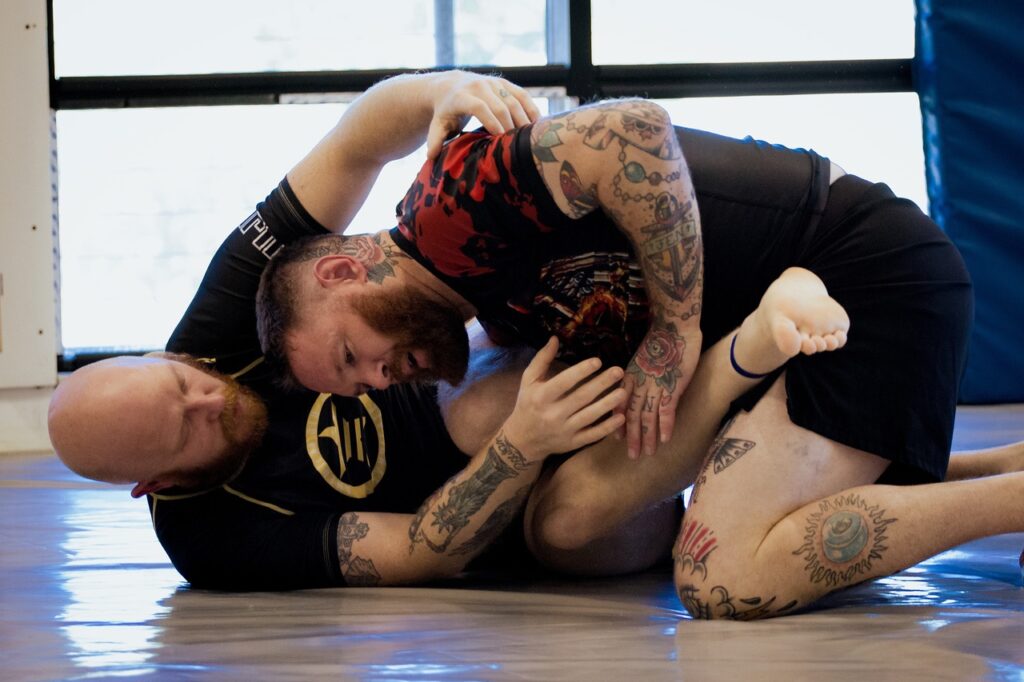
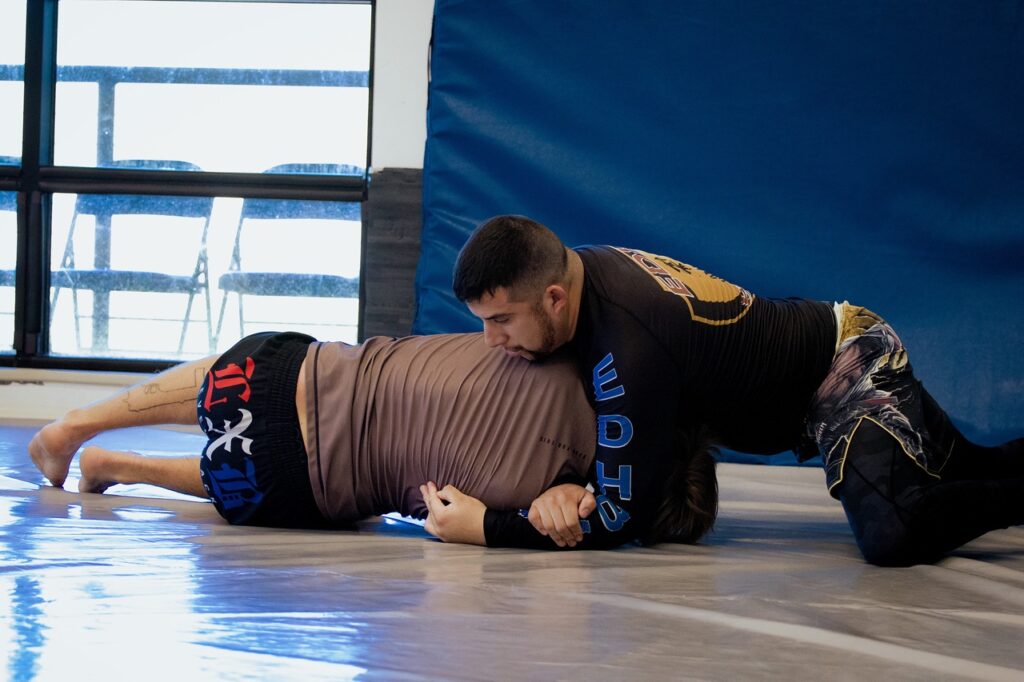
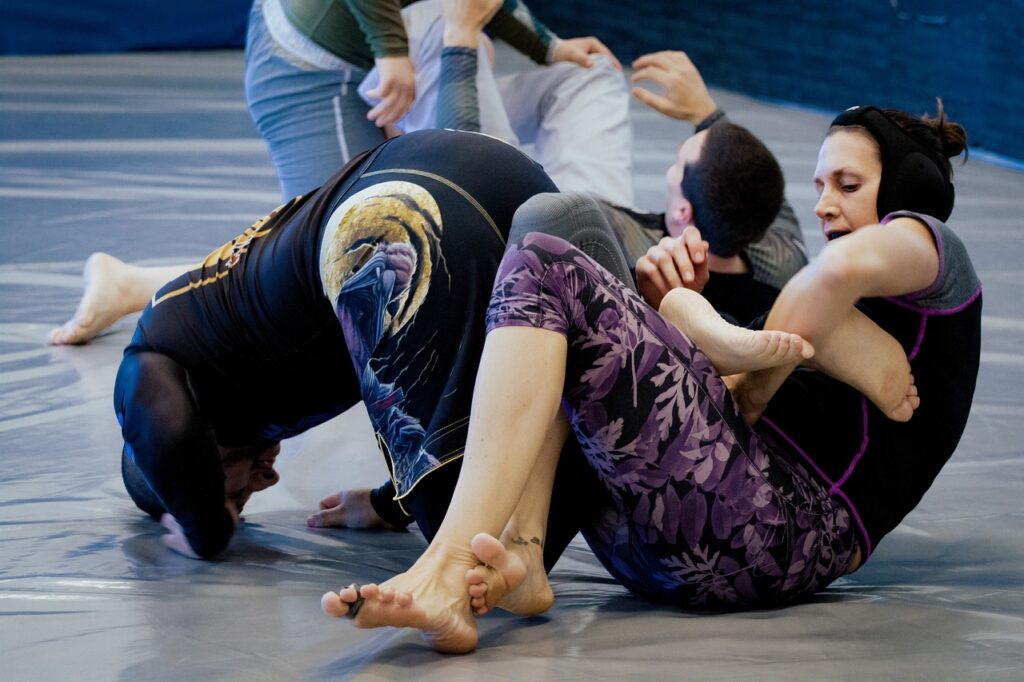
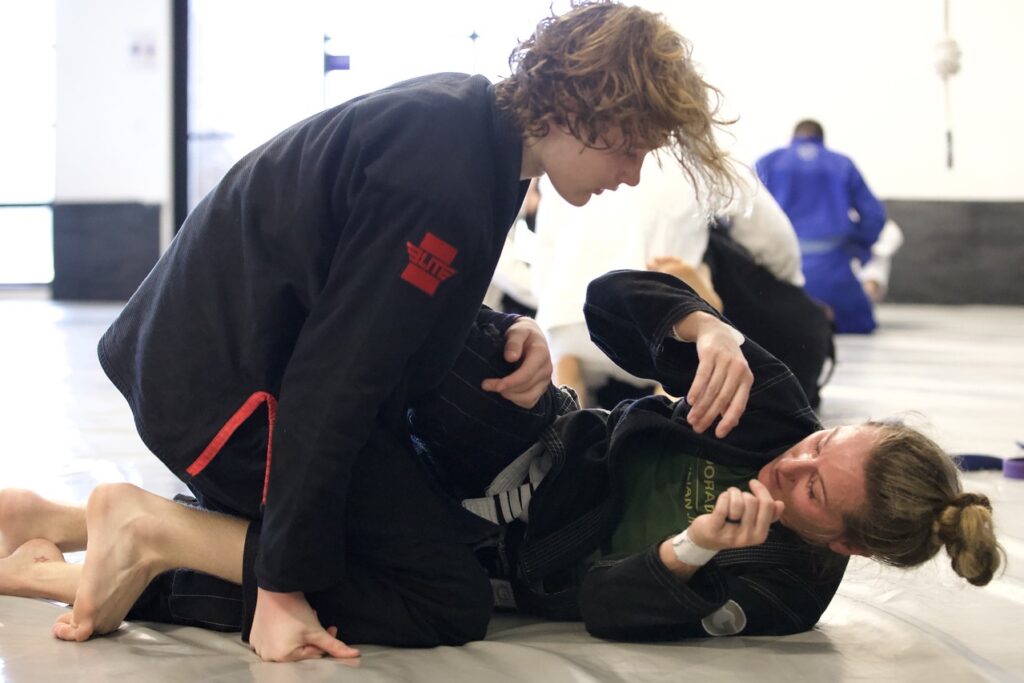
In Brazilian Jiu-Jitsu (BJJ), the closed guard is a fundamental and indispensable position that forms the core of many practitioners’ skill sets. This position, where the practitioner on the bottom wraps their legs around their opponent’s waist, serves as a powerful tool for control, defense, and offense. Its significance in BJJ cannot be overstated, as it provides a strong foundation for understanding the art’s mechanics and strategies. However, mastering the closed guard is no easy task. It requires a deep understanding of technical intricacies, adaptability to different opponents, physical conditioning, mental acuity, and a commitment to continuous learning. Despite these challenges, the closed guard remains a vital element of a successful BJJ game, offering both strategic depth and versatility.

Importance of Closed Guard

  1. Fundamental Position:
    The closed guard, also known as full guard, is one of the most fundamental and widely taught positions in Brazilian Jiu-Jitsu (BJJ). It forms the bedrock of many practitioners’ games, particularly for beginners. Mastering the closed guard offers a strong foundation for understanding more complex positions and transitions.
  2. Control and Defense:
    From the closed guard, a practitioner can effectively control their opponent, limiting their movement and offensive options. This position provides a defensive stronghold, preventing the opponent from passing guard and advancing to more dominant positions. The practitioner can use their legs and hips to keep the opponent close, reducing the risk of strikes in self-defense scenarios or MMA.
  3. Offensive Opportunities:
    The closed guard is rich with offensive possibilities. It allows for a wide range of submissions, such as arm bars, triangles, and omoplatas, as well as sweeps that can reverse the position. The versatility of the closed guard enables practitioners to launch attacks while maintaining a secure position.
  4. Energy Efficiency:
    Unlike some other positions that might require constant adjustment and high energy expenditure, the closed guard can be maintained with relatively low energy, allowing practitioners to conserve their stamina. This makes it a valuable position, particularly in long matches or when facing a more aggressive opponent.

Difficulty of Mastering Closed Guard

  1. Technical Complexity:
    While the closed guard might seem straightforward, mastering it requires a deep understanding of mechanics, leverage, and timing. Effective use of the guard involves precise control of the opponent’s posture and balance, which can take years to perfect. Each technique, from sweeps to submissions, requires intricate details and timing to execute correctly.
  2. Adaptability to Opponents:
    Different opponents will react differently to the closed guard, necessitating the ability to adapt dynamically. Practitioners must learn to anticipate and counter a variety of defensive maneuvers and guard passes. This adaptability only comes with extensive practice and experience against diverse training partners.
  3. Physical Demands:
    While the closed guard can be energy efficient, maintaining it and executing techniques effectively still demands significant core strength and flexibility. Developing the physical attributes needed to excel in the closed guard—such as hip mobility and leg dexterity—can be challenging and requires dedicated conditioning.
  4. Mental Focus:
    Effective use of the closed guard demands high levels of mental focus and strategic thinking. Practitioners must constantly monitor their opponent’s movements, anticipate attacks, and plan their own offensive and defensive actions. This mental aspect adds another layer of difficulty, as split-second decisions can mean the difference between maintaining control and losing the position.
  5. Continuous Evolution:
    The landscape of BJJ is ever-evolving, with new techniques and counters being developed continuously. Staying ahead in the closed guard game requires ongoing learning and adaptation. Practitioners must stay updated with the latest developments and incorporate them into their practice, which can be a lifelong endeavor.

In summary, the closed guard is a cornerstone of Brazilian Jiu-Jitsu that offers immense strategic value both defensively and offensively. However, mastering it is no small feat due to its technical complexity, the need for adaptability, physical demands, mental focus, and the continuous evolution of techniques. Despite these challenges, the rewards of a proficient closed guard make the effort worthwhile for any dedicated practitioner.

Come try jiujitsu with us at El Dorado Hills Jiu Jitsu. The academy that pioneered jiujitsu in the hills in 2009. EDHBJJ is a martial arts academy for the entire family. Send us an email or give us a call to get started with a trial lesson.
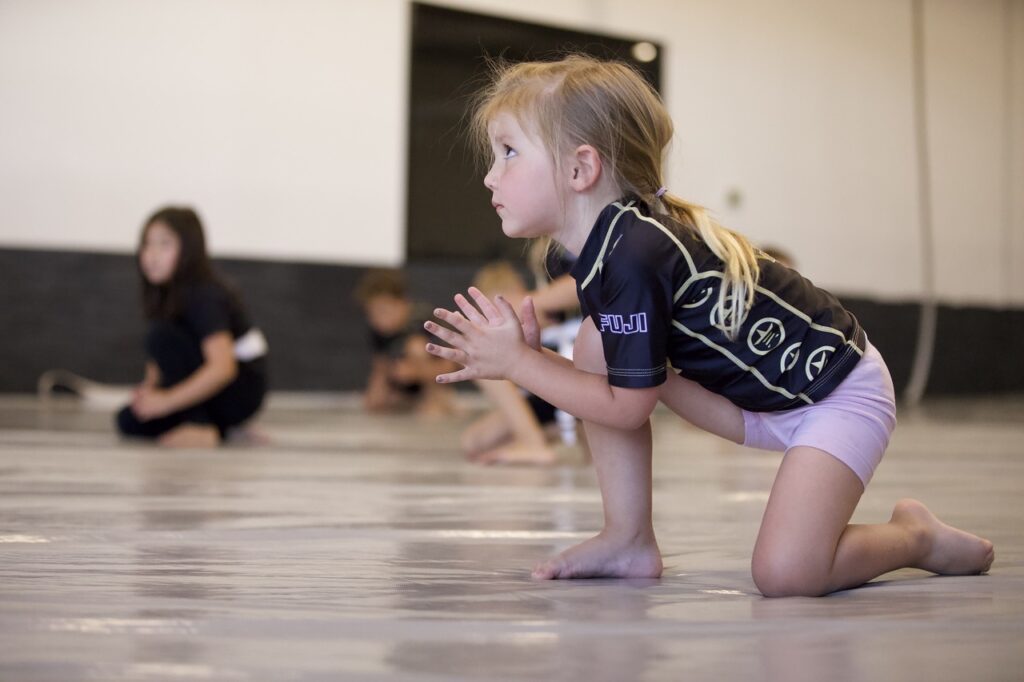
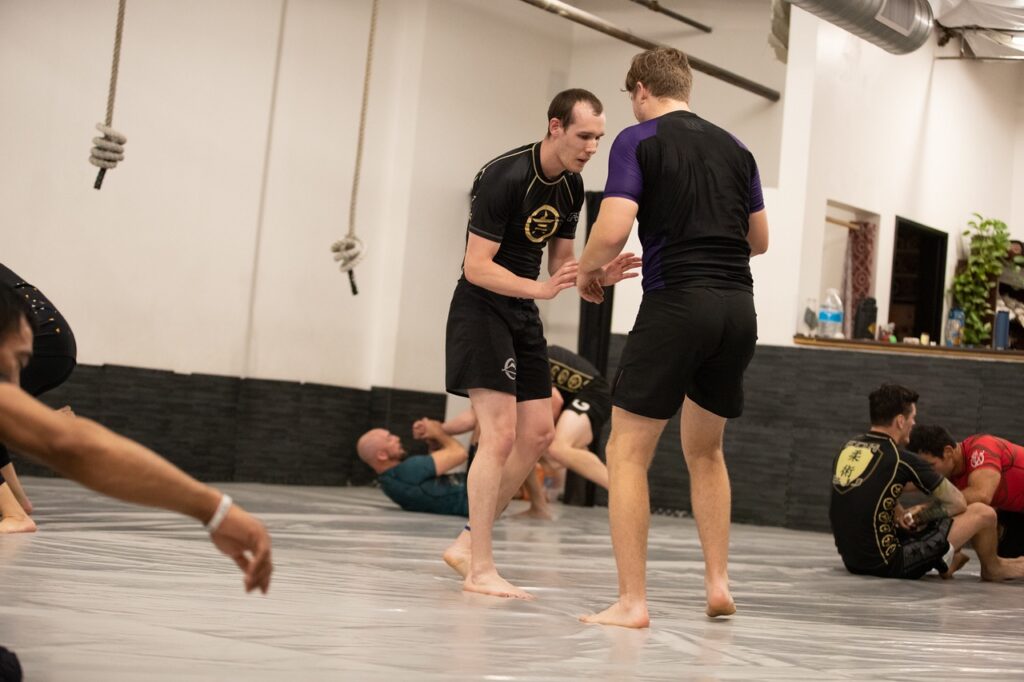
Youth classes transition to nogi at edhbjj

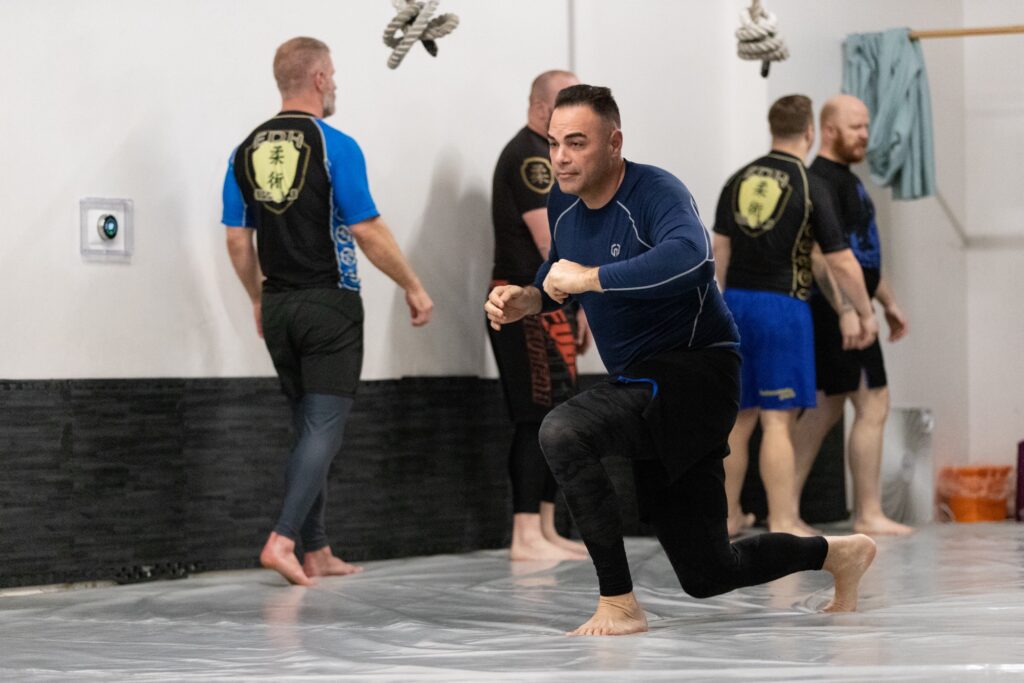
Transitioning from gi to no-gi Brazilian Jiu-Jitsu (BJJ) involves several adjustments in technique, strategy, and mindset due to the differences in attire and grips. Here are the key aspects of this transition:

Differences in Attire

  • Gi: The gi (kimono) includes a jacket, pants, and a belt, which provides numerous grip opportunities for both offensive and defensive techniques.
  • No-Gi: Practitioners wear a rash guard and shorts, eliminating the use of clothing for grips. Students can also wear gi pants for practice sessions. Please wear the gi belt for stripes and belt promotions during the summer session.

Technical Adjustments

  • Grips and Control: In gi, grips on the collar, sleeves, and pants are fundamental. No-gi requires more reliance on body grips, such as underhooks, overhooks, and wrist control, since there are no gi grips available.
  • Friction: No-gi tends to be faster-paced because the lack of friction from the gi and increased sweat make it harder to maintain control, leading to more scrambles and dynamic movement.
  • Submissions: Certain submissions and sweeps that rely heavily on gi grips, like collar chokes and spider guard sweeps, are not applicable in no-gi. Instead, practitioners focus more on techniques that don’t require cloth grips.

Strategic Adjustments

  • Speed and Athleticism: No-gi often demands higher levels of athleticism and speed due to the decreased friction and grip options, which results in faster transitions and more explosive movements.
  • Positioning and Pressure: Controlling positions in no-gi can be more challenging, necessitating tighter control and better body mechanics to prevent escapes.
  • Guard Playing: Guards like spider guard or lasso guard, which depend on gi grips, are replaced by guards like butterfly guard, half guard, and variations of the open guard that rely more on hooks and underhooks.

Mindset Shifts

  • Adaptability: Practitioners must adapt their game to the absence of gi grips, which often involves developing a different set of techniques and refining those that are gi-independent.
  • Defensive Awareness: Without the gi to slow down the pace, defensive awareness and reaction times need to be sharper to prevent submissions and positional losses.

Training and Drilling

  • Cross-Training: Many BJJ practitioners train both gi and no-gi to become well-rounded. This cross-training enhances their adaptability and overall grappling proficiency.
  • Specific Drills: Practicing specific drills that focus on no-gi grips, positional control, and transitions helps in developing the necessary skills for effective no-gi grappling.

The transition from gi to no-gi BJJ can be challenging but also rewarding, as it broadens a practitioner’s skill set and adaptability. By focusing on the unique aspects of no-gi grappling and continuously refining techniques, practitioners can smoothly transition and excel in both styles.

Unlocking Excellence: Essence of EDH Jiu-Jitsu Academy doing Extra of the Ordinary is Extraordinary

In the bustling world of martial arts academies, there exists a beacon of innovation at the EDH Jiu-Jitsu Academy. More than just a place to train, EDH Jiu-Jitsu Academy embodies a philosophy that celebrates the extraordinary in every aspect of martial arts practice. In this post, we delve into the ethos of EDH Jiu-Jitsu Academy and how it fosters a culture where doing extra of the ordinary is embraced as the pathway to greatness.

Embedded in our core principles, EDH Jiu-Jitsu Academy stands apart from traditional martial arts schools by challenging its students to push beyond the boundaries of conventional training. Here, practitioners are encouraged to explore innovative techniques, experiment with new approaches, and embrace discomfort as a catalyst for growth.

At the heart of EDH Jiu-Jitsu Academy is the belief that excellence is not achieved by following the status quo but by daring to venture into uncharted territory. Instructors empower students to tap into their full potential by encouraging them to go beyond their comfort zones and challenge themselves both mentally and physically.

In the dojo of EDH Jiu-Jitsu, every training session is an opportunity for students to unlock their inner greatness. Through drills, sparring sessions, and personalized instruction, practitioners hone their skills and develop the resilience needed to overcome obstacles.

Moreover, EDH Jiu-Jitsu Academy fosters a sense of community and camaraderie among its members. Students support and uplift each other, celebrating not only individual achievements but also collective progress. In this inclusive environment, everyone is encouraged to strive for excellence, knowing that their journey is supported by a network of like-minded individuals.

What sets EDH Jiu-Jitsu Academy apart is its commitment to innovation and continuous improvement. In addition to traditional Jiu-Jitsu techniques, instructors incorporate elements from other martial arts disciplines, sports psychology, and strength conditioning to provide students with a well-rounded training experience.

Whether you’re a seasoned martial artist or a beginner taking your first steps onto the mat, EDH Jiu-Jitsu Academy offers a transformative journey toward self-discovery and mastery. By embracing the philosophy of EDH and daring to do extra of the ordinary, students unlock the extraordinary within themselves and emerge as empowered individuals both on and off the mat.

In a world where conformity often stifles creativity and growth, EDH Jiu-Jitsu Academy stands as a beacon of inspiration—a place where the pursuit of excellence knows no bounds. So, if you’re ready to embark on a journey of self-discovery and unlock your full potential, come join us at EDH Jiu-Jitsu Academy, where greatness awaits.

Exploring the Dichotomy of Gi and No-Gi Training at EDHBJJ

Brazilian Jiu-Jitsu (BJJ) is a martial art that offers practitioners a diverse range of training options, each with its own unique benefits and challenges. At the Jiu Jitsu academy of El Dorado Hills, students have the opportunity to delve into both gi and no-gi training, each offering a distinct experience that contributes to their overall growth and proficiency in the art. Let’s explore the fascinating differences between gi and no-gi training at EDHBJJ:

1: The Gi: Tradition and Technique

Training in the gi at EDHBJJ embraces the rich tradition of Brazilian Jiu-Jitsu. The gi, or kimono in Portuguese and dougi in Japanese, is a traditional uniform that adds layers of complexity to techniques. Grips on the collar, sleeves, and pants create opportunities for intricate submissions, sweeps, and control techniques. The gi also emphasizes the importance of leverage, timing, and precision, as practitioners learn to manipulate the fabric to their advantage. At EDHBJJ, students immerse themselves in the technical nuances of gi training, honing their skills with a focus on detail and finesse.


2. No-Gi: Speed and Adaptability

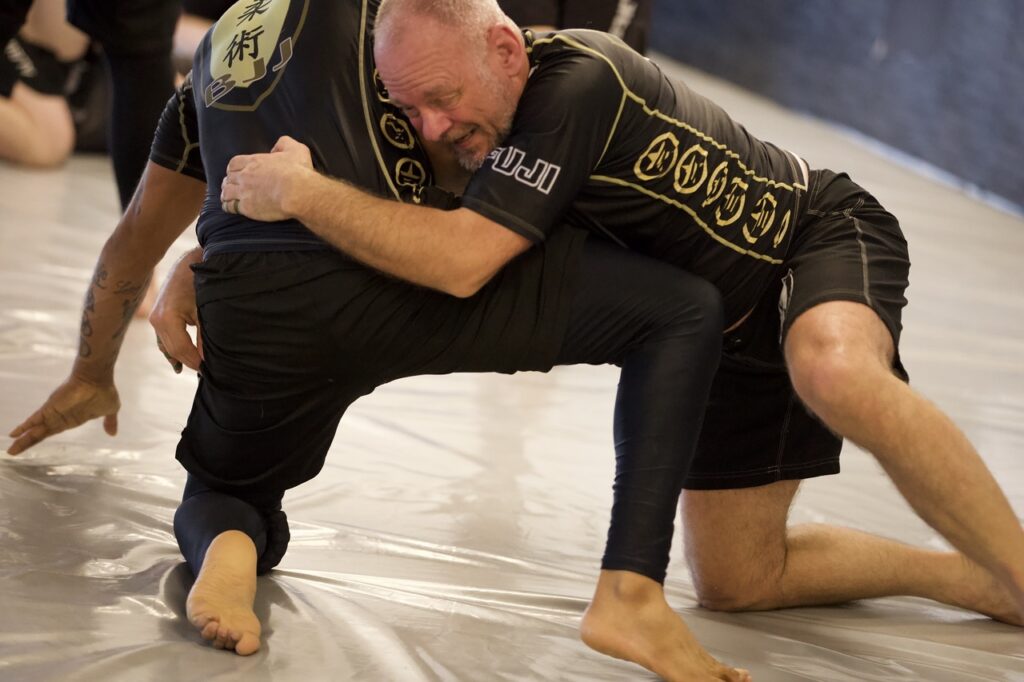
In contrast, no-gi training at EDHBJJ offers a dynamic and fast-paced experience. Without the gi to grip onto, practitioners must rely on different strategies and tactics. No-gi training emphasizes fluid movement, agility, and adaptability. Techniques such as leg locks, foot sweeps, and scrambles become more prevalent as practitioners learn to navigate the absence of traditional grips. No-gi training at EDHBJJ challenges students to think quickly, react decisively, and capitalize on openings with precision and speed.

3. Complementary Benefits

While gi and no-gi training offer distinct challenges, they are inherently complementary. Training in both modalities at EDHBJJ provides students with a well-rounded skill set that translates seamlessly between the two environments. The technical proficiency gained from gi training enhances the precision and attention to detail in no-gi scenarios, while the speed and adaptability cultivated in no-gi training improve the fluidity and agility of techniques in the gi. By embracing both modalities, students at EDHBJJ develop a comprehensive understanding of Brazilian Jiu-Jitsu that extends beyond the confines of any one training style.


4. Community and Camaraderie

Beyond the technical aspects, both gi and no-gi training at EDHBJJ foster a sense of community and camaraderie among students. The shared experience of training together, overcoming challenges, and supporting one another creates bonds that extend beyond the mats. At EDHBJJ, students form lasting friendships and alliances as they journey together through the intricacies of Brazilian Jiu-Jitsu, regardless of whether they train in the gi or no-gi.

In conclusion, the difference in training in the gi and no-gi at EDHBJJ offers students a multifaceted approach to Brazilian Jiu-Jitsu. Whether they’re navigating the grips and controls of the gi or embracing the speed and adaptability of no-gi, students at EDHBJJ develop a comprehensive skill set that prepares them for any scenario. With a focus on tradition, technique, speed, and adaptability, EDHBJJ provides a holistic training experience that transcends the boundaries of any single training modality.

Inside of the IBJJF San Jose Open Gi Tournament: A Tale of Two Competitors

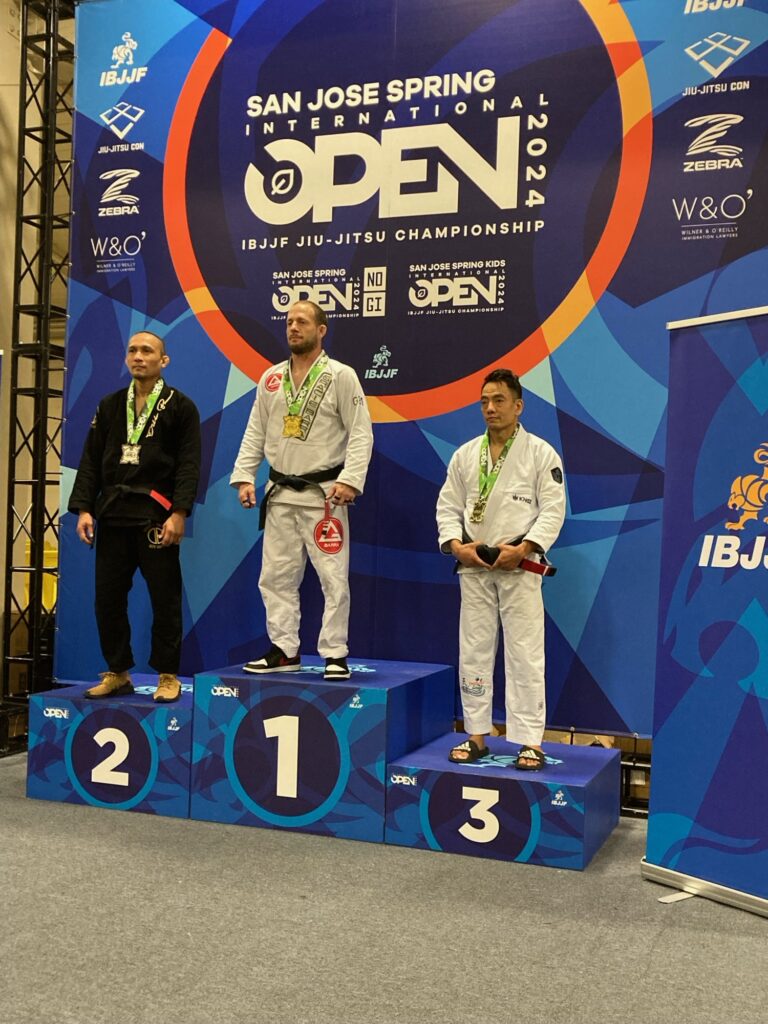
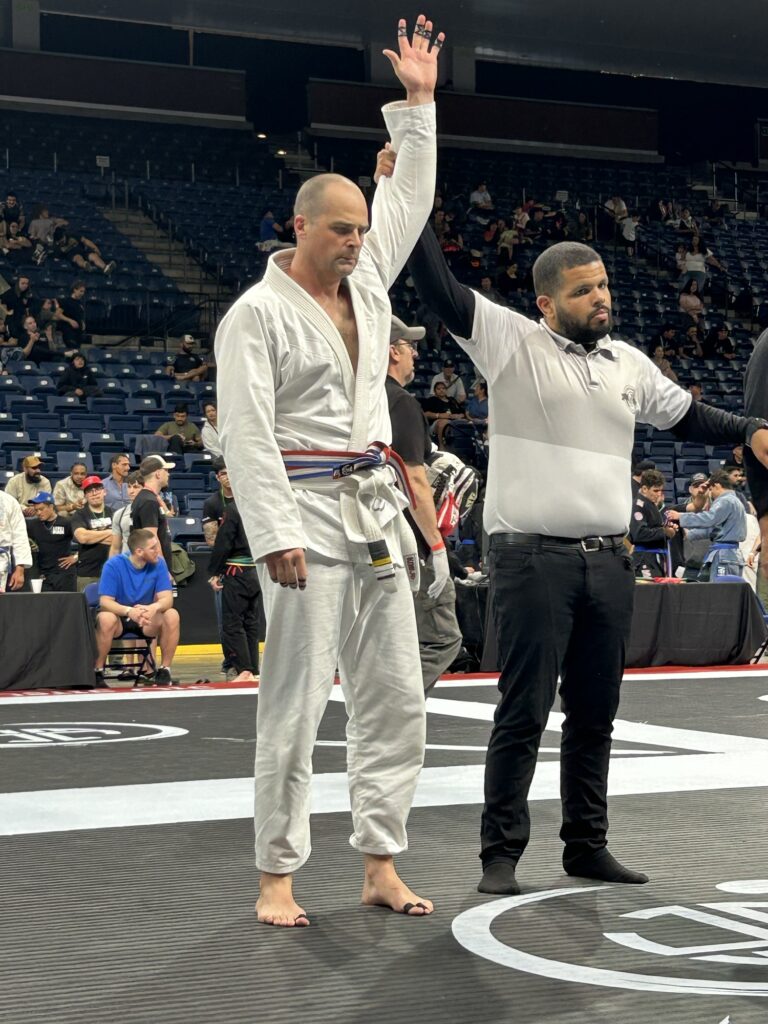
The IBJJF San Jose Open Gi tournament is a battlefield where skill, strategy, and sheer determination collide. Among the countless warriors who step onto the mats, two standouts emerged, showcasing the essence of Brazilian Jiu-Jitsu in its purest form: Jerel, a seasoned black belt, and Ryan, a rising purple belt from El Dorado Hills jiujitsu.

Jerel, a black belt with years of experience woven into every technique, approached the tournament with the calm demeanor of a seasoned veteran. For him, every match was a canvas on which to paint his mastery of the art. With precise movements and an unwavering focus, Jerel, despite being two weight classes up to gain compete, fought with precision and tenacity. His journey was a testament to the countless hours spent honing his craft on the mats.

Ryan, on the other hand, brought the hunger and tenacity of a purple belt eager to prove himself on the competitive stage. With fire in his eyes and determination in his heart, Ryan approached each match as an opportunity to push his limits and test his skills. Despite the adversity, Ryan refused to back down, using his agility and technical prowess to outmaneuver his adversaries and secure victory after victory.

As the tournament progressed, both Jerel and Ryan faced formidable opponents who pushed them to their limits. Every match was a test of their resolve, a battle of wills where victory hung in the balance with every sweep, submission attempt, and escape. In the end, their perseverance and dedication paid off, as Jerel and Ryan found themselves standing on the podium.

But beyond the medals and accolades, what truly defined Jerel and Ryan’s journey was the camaraderie and spirit of sportsmanship that permeated every match. In victory and defeat, they showed respect for their opponents, recognizing the shared love for the art that brought them together on the mats.

The IBJJF San Jose Open Gi tournament was more than just a competition; it was a celebration of the human spirit and the boundless potential of those who dare to pursue their passion with unwavering dedication. Jerel and Ryan’s journey serves as a reminder that in the world of Brazilian Jiu-Jitsu, the truest victory lies not in defeating others, but in overcoming oneself, one match at a time.

Empowering Paths: Supporting Jiu-Jitsu Through the Guardian Scholarship

In the vibrant world of martial arts, where discipline, determination, and community spirit thrive, the Guardian Scholarship stands as a beacon of opportunity for aspiring jiu-jitsu practitioners. This scholarship program, administered by a 501(c)(3) nonprofit organization, not only offers financial assistance but also fosters a sense of camaraderie and support within the jiu-jitsu community.

Opening Doors with Support

For many individuals, the journey into jiu-jitsu represents more than just a physical endeavor—it’s a pathway to personal growth, resilience, and self-discovery. However, the financial burden of training and competition can often be a barrier for aspiring athletes. The Guardian Scholarship aims to remove this obstacle by providing financial assistance to deserving individuals, ensuring that no one is denied the opportunity to pursue their passion for jiu-jitsu due to financial constraints.

Building Bridges through Collective Action

At its core, the Guardian Scholarship is a testament to the power of collective action and community support. Donors from all walks of life come together to contribute to this noble cause, recognizing the transformative impact that jiu-jitsu can have on individuals and communities. Their generosity not only enables aspiring athletes to pursue their dreams but also strengthens the bonds that unite the jiu-jitsu community.

Transforming Lives, Creating Opportunities

The impact of the Guardian Scholarship extends far beyond the realm of jiu-jitsu. By empowering individuals to pursue their passion, it sets them on a path to personal and professional success. Whether it’s building confidence on the mat or developing valuable life skills, recipients of the Guardian Scholarship emerge as resilient, empowered individuals ready to make a positive impact in their communities.

How You Can Make a Difference

Whether you’re a seasoned practitioner looking to give back to the jiu-jitsu community or an individual passionate about supporting aspiring athletes, there are numerous ways to get involved with the Guardian Scholarship. Consider making a donation to the 501(c)(3) nonprofit organization that administers the scholarship, offering your time and expertise as a mentor or coach, or spreading the word about this worthy cause. Together, we can continue to empower individuals and build a stronger, more inclusive jiu-jitsu community.

In conclusion, the Guardian Scholarship represents a powerful example of how collective action and community support can create opportunities for individuals to pursue their passions and achieve their goals. By supporting this worthy cause, donors not only invest in the future of jiu-jitsu but also contribute to the growth and development of individuals and communities. As we celebrate the achievements of past recipients and look towards the future, let us reaffirm our commitment to making jiu-jitsu accessible to all who seek its transformative power.

Click the link to make a donation to Guardian El Dorado Hills!

Adult No-Gi Jiu-Jitsu at EDHBJJ: Your Ultimate Guide

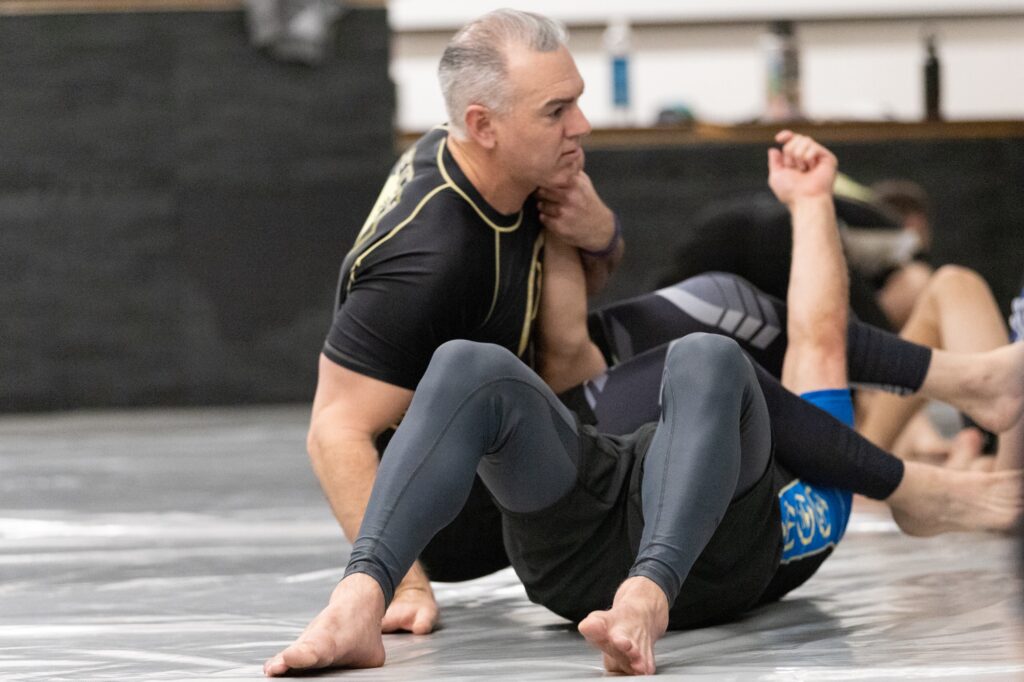
Are you ready to take your jiu-jitsu skills to the next level? Look no further than El Dorado Hills Brazilian Jiu-Jitsu (EDHBJJ) for top-notch adult no-gi jiu-jitsu training. In this comprehensive guide, we’ll explore everything you need to know about adult no-gi jiu-jitsu at EDHBJJ, from its benefits to what makes it unique.

Benefits of Adult No-Gi Jiu-Jitsu

  1. Full-Body Workout: Engage multiple muscle groups while improving cardiovascular health.
  2. Self-Defense Skills: Learn practical techniques for real-life situations.
  3. Mental Toughness: Enhance focus, discipline, and problem-solving skills.
  4. Community and Camaraderie: Connect with like-minded individuals in a supportive environment.

What Sets EDHBJJ Apart?

  1. Expert Instruction: Our instructors are highly skilled and passionate about helping you reach your goals.
  2. Curriculum: Structured classes cater to beginners and advanced practitioners alike, ensuring steady progress.
  3. State-of-the-Art Facilities: Train in a clean, safe, and welcoming environment with access to top-notch training space.
  4. Flexible Schedule: With classes offered throughout the week, finding a time that fits your schedule is easy.

Embark on your jiu-jitsu journey with confidence at EDHBJJ. Whether you’re a beginner looking to learn self-defense or an experienced practitioner aiming to refine your skills, our adult no-gi jiu-jitsu program offers something for everyone. Experience the physical, mental, and social benefits of jiu-jitsu. Join us at EDHBJJ and unleash your full potential on the mat!

For more information about our adult no-gi jiu-jitsu classes, visit EDHBJJ’s website and send us an email edhbjj@gmail.com

BJJ demonstration at Japan Day in Sacramento

On April 21, Japan Club of CSU Sacramento hosted their 17th Japan Day celebration.

The event included taiko performance, Japanese dance, bun eating contest, soran bushi, and a martial arts demo featuring jujutsu.

From El Dorado Hills jiujitsu we had 10 performers choreograph a display of technique, dynamic movement, self defense concepts and how different bodies can interact regardless of age or size.

Performing a jiujitsu demonstration has a few great benefits. One, a demo is a great way to help an audience see and better understand what jiujitsu is. Two, practicing and performing a demo gives the performer an opportunity to be creative and find a way to showcase the martial art. Three, the act of performing simulates a competition type experience.

A jiujitsu demo is a great way to help an untrained eye see and understand the subtle nuances of the martial art. While it might be best to actually step on the mat and do a trial class to really experience the potential of jiujitsu, a demo done right helps the audience notice the different concepts of leverage, control, pressure, and more. Additionally a demo can condense something that might take 5 to 10 minutes to happen in a match into less than a minute.

There is an element of creative expression built into the practice of jiujitsu in general. Different body types and personalities allow for a differing expression of the martial art to come about. In choreography of a demo a student can work with a partner to fully express their style of jiujitsu and reveal elements of themselves through their performance.

Competition requires mental, physical, and technical preparation and a demo can be very similar. Although the environment is not a competitive setting, there is an expectation to perform the choreography. This can cause similar pre match jitter and excitement. Whether it be performing for a tournament for a demo the feelings and thoughts that set in prior to performing is quite similar. Experiencing these feelings gives us an opportunity to learn different coping strategies and how to deal with our thoughts, feelings, the controllable and uncontrollable.

Thank you Japan day for hosing us, and congratulations to the performers who were able to make an impression on the audience with their display of jiujitsu.

JJWL Pacific Cup Results

The jiujitsu world league no was in Stockton CA again this weekend and competitions from el dorado hills jiujitsu showed up in with over 40 competitors. As a team we finished overall 8th out of 160+ competitors! An incredible accomplishment for us as we grow into the Northern California competition scene. We are very thankful to our teammates who helped with the preparation process, families and teammates in attendance to support and encourage the competitors and the many coaches who were out on the floor coaching!

As an association American Jiu Jitsu Syndicate finished in 2nd place! EDH Jiu-Jitsu is very thankful to be part of an association that is excited to train hard, have fun and enjoy the process of constant improvement.

We weren’t able to catch a photo of everyone but it was great to see our kids and adults out there in action!

Cultivating a practice of gratitude in jiujitsu and martial arts

In a world that often focuses on what’s lacking or what needs improvement, cultivating a practice of gratitude can be transformative. Gratitude is the act of recognizing and appreciating the good things in our lives, both big and small. It’s a powerful mindset that can bring about a shift in our perspective, leading to increased happiness, contentment, and overall well-being. In this post, we will explore the many benefits of gratitude and how we can incorporate it into our daily lives.

Gratitude has been found to have a significant impact on our mental health. Research suggests that expressing gratitude can increase positive emotions, reduce symptoms of depression and anxiety, and improve overall life satisfaction. By focusing on what we have rather than what we lack, we train our minds to seek out the positive aspects of our lives, fostering a sense of optimism and resilience.

Gratitude has the power to deepen our connections with others. When we express gratitude towards someone, it not only makes them feel appreciated and valued but also strengthens the bond between us. Whether it’s a simple thank you note, a heartfelt conversation, or acts of kindness, expressing gratitude towards loved ones and even strangers can foster a sense of belonging and create a ripple effect of positivity in our relationships.

Practicing gratitude helps us shift our perspective from scarcity to abundance. It reminds us that even during challenging times, there are still things to be thankful for. Instead of dwelling on what’s going wrong, we redirect our attention to the blessings, opportunities, and lessons present in our lives. This shift in perspective can lead to increased resilience, a greater sense of control, and a more positive outlook on life.

Gratitude and mindfulness go hand in hand. When we practice gratitude, we train ourselves to be fully present in the moment, appreciating the beauty and goodness around us. By focusing on the present rather than dwelling on the past or worrying about the future, we can experience a greater sense of peace and contentment. Gratitude serves as an anchor, grounding us in the here and now, and reminding us to savor life’s precious moments.

Gratitude is a catalyst for personal growth and self-improvement. When we embrace gratitude, we become more aware of our strengths, accomplishments, and the progress we’ve made. It encourages us to acknowledge and learn from our challenges, seeing them as opportunities for growth and development. Gratitude empowers us to cultivate a growth mindset and pursue our goals with enthusiasm and determination.

Here are some ways we can incorporate gratitude into our daily lives
Keep a gratitude journal: Write down three things you are grateful for each day.

  • Practice gratitude meditation: Set aside a few minutes to reflect on the things you appreciate in your life.
  • Express gratitude to others: Take the time to thank those who have made a positive impact on your life.
  • Focus on the present moment: Engage in activities mindfully, savoring the experience and expressing gratitude for it.
  • Shift your language: Replace complaints and negative statements with gratitude and positive affirmations.

Gratitude is a powerful practice that can transform our lives, fostering happiness, contentment, and resilience. By cultivating an attitude of gratitude, we shift our focus from what’s lacking to what’s abundant, paving the way for greater joy and fulfillment. So, let’s make gratitude a part of our daily lives and unlock its remarkable benefits. As Melody Beattie wisely said, “Gratitude makes sense of our past, brings peace for today, and creates a vision for tomorrow.”

Coach Danny