Tag Archives: self defense

Embracing the Gentle Art: How Learning Jiu-Jitsu at EDHBJJ Cultivates Leadership Skills

The journey of learning Brazilian Jiu-Jitsu (BJJ) is often likened to a transformative path, one that builds not just physical prowess but also mental and emotional strength. As practitioners navigate the complexities of this martial art, they inadvertently develop key leadership skills that translate seamlessly into everyday life. Here’s how we foster leadership qualities at El Dorado Hills Jiu Jitsu.
  1. Resilience and Perseverance

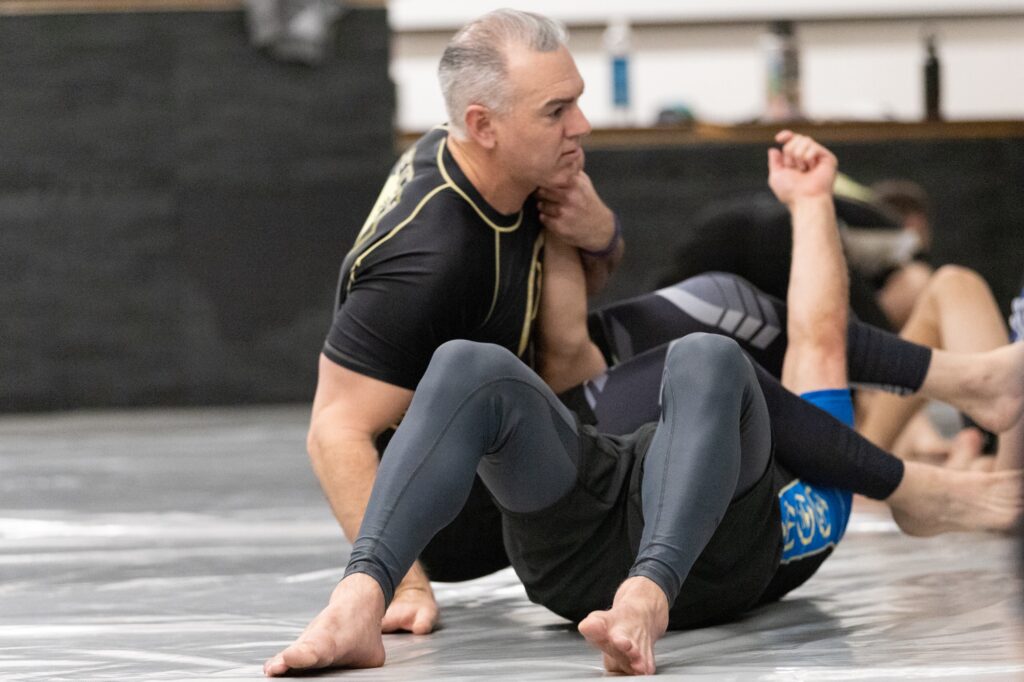
In BJJ, every practitioner experiences moments of defeat and frustration. Whether it’s being caught in a chokehold or struggling to master a technique, the mat humbles everyone. This resilience to keep going despite setbacks is a cornerstone of effective leadership. Leaders often face challenges that test their patience and resolve. Jiu-Jitsu teaches them to persevere, adapt, and eventually overcome obstacles, instilling a mindset that views failure as a stepping stone rather than a roadblock.

  1. Humility and Confidence

BJJ is a unique blend of humility and confidence. On the mat, there is always someone better, and this reality keeps practitioners grounded. This humility is critical for leaders who need to stay open to feedback and continuous improvement. At the same time, successfully executing techniques and progressing through ranks builds confidence. Leaders must balance humility with the confidence to make decisions and inspire others, a balance finely tuned through Jiu-Jitsu training.

  1. Problem-Solving Skills

Each roll (sparring session) in Jiu-Jitsu is a dynamic puzzle. Practitioners must constantly assess their position, anticipate their opponent’s moves, and react accordingly. This environment sharpens analytical and strategic thinking. Leaders benefit from this enhanced problem-solving ability, enabling them to navigate complex situations, devise strategies, and make informed decisions under pressure.
  1. Communication and Interpersonal Skills

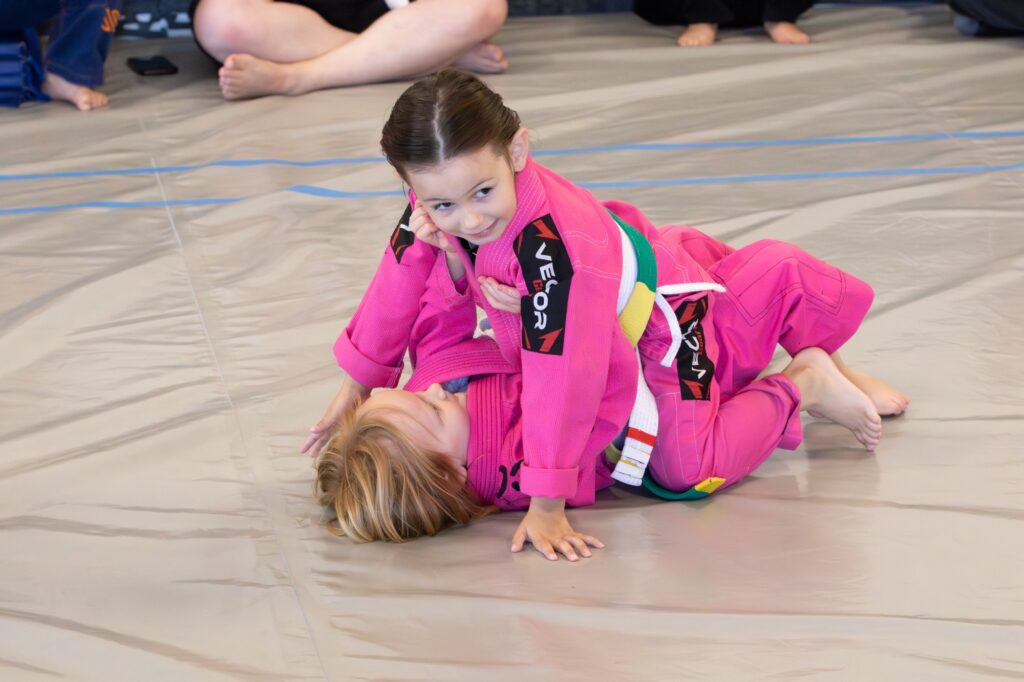
Effective communication is vital in BJJ. Whether asking for advice, giving feedback, or coordinating with a training partner, clear and respectful communication is a must. Leaders need these skills to build strong teams, resolve conflicts, and foster a positive work environment. The respectful culture of Jiu-Jitsu, where everyone learns from each other, directly translates to a collaborative and inclusive leadership style.

  1. Empathy and Emotional Intelligence

Jiu-Jitsu cultivates empathy as practitioners often experience both dominant and vulnerable positions. Understanding and managing one’s emotions and empathizing with others’ perspectives are critical aspects of emotional intelligence. Leaders with high emotional intelligence can build stronger relationships, manage stress, and create a supportive atmosphere for their teams.

  1. Discipline and Time Management

Consistency and discipline are essential to progress in Jiu-Jitsu. Regular training requires time management and prioritization, skills that are equally important in leadership. Leaders must balance various responsibilities, set goals, and maintain focus on long-term objectives. The disciplined approach learned through Jiu-Jitsu helps leaders stay organized and productive.

  1. Building a Growth Mindset

Jiu-Jitsu is a never-ending journey of learning and self-improvement. Practitioners embrace the process of continuous learning, understanding that mastery is a lifelong pursuit. This growth mindset is invaluable for leaders who need to adapt to changing circumstances and encourage innovation within their teams. A leader who embodies a growth mindset inspires others to embrace challenges and view setbacks as opportunities for growth.
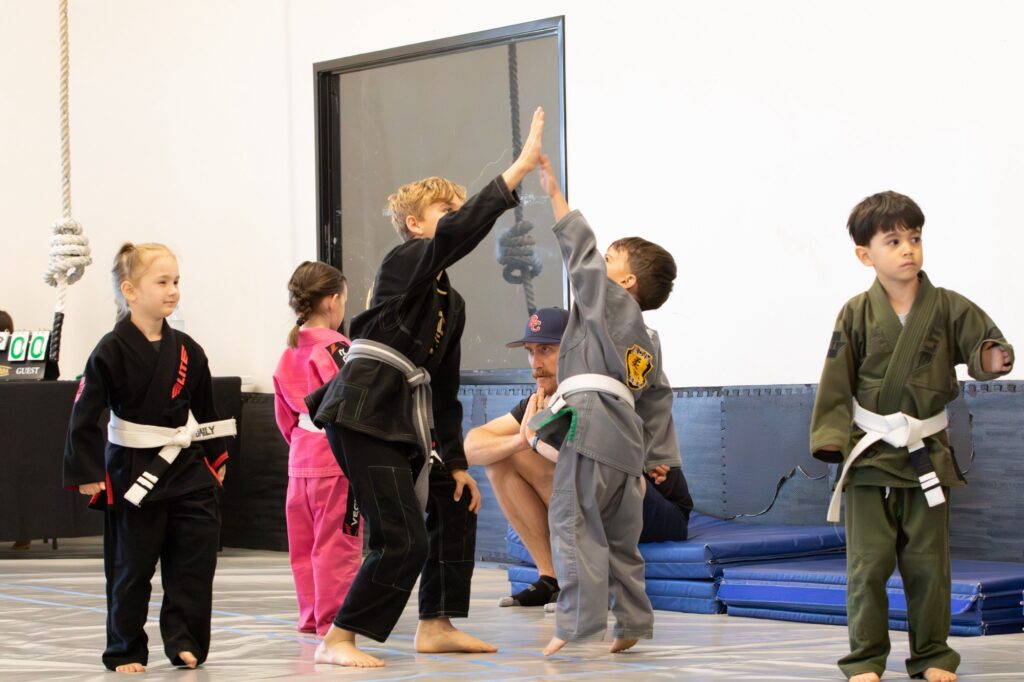
Learning Jiu-Jitsu at EDHBJJ is much more than acquiring self-defense techniques; it’s a holistic practice that shapes character and cultivates leadership skills. From resilience to empathy, the principles and experiences gained on the mat foster qualities that make effective and inspiring leaders. As you tie your belt and step onto the mat, remember that each roll is not just a test of physical skill but a step towards becoming a better leader.


The Importance and Difficulty of Mastering Closed Guard in Brazilian Jiu-Jitsu | EDH BJJ

In Brazilian Jiu-Jitsu (BJJ), the closed guard is a fundamental and indispensable position that forms the core of many practitioners’ skill sets. This position, where the practitioner on the bottom wraps their legs around their opponent’s waist, serves as a powerful tool for control, defense, and offense. Its significance in BJJ cannot be overstated, as it provides a strong foundation for understanding the art’s mechanics and strategies. However, mastering the closed guard is no easy task. It requires a deep understanding of technical intricacies, adaptability to different opponents, physical conditioning, mental acuity, and a commitment to continuous learning. Despite these challenges, the closed guard remains a vital element of a successful BJJ game, offering both strategic depth and versatility.

Importance of Closed Guard

  1. Fundamental Position:
    The closed guard, also known as full guard, is one of the most fundamental and widely taught positions in Brazilian Jiu-Jitsu (BJJ). It forms the bedrock of many practitioners’ games, particularly for beginners. Mastering the closed guard offers a strong foundation for understanding more complex positions and transitions.
  2. Control and Defense:
    From the closed guard, a practitioner can effectively control their opponent, limiting their movement and offensive options. This position provides a defensive stronghold, preventing the opponent from passing guard and advancing to more dominant positions. The practitioner can use their legs and hips to keep the opponent close, reducing the risk of strikes in self-defense scenarios or MMA.
  3. Offensive Opportunities:
    The closed guard is rich with offensive possibilities. It allows for a wide range of submissions, such as arm bars, triangles, and omoplatas, as well as sweeps that can reverse the position. The versatility of the closed guard enables practitioners to launch attacks while maintaining a secure position.
  4. Energy Efficiency:
    Unlike some other positions that might require constant adjustment and high energy expenditure, the closed guard can be maintained with relatively low energy, allowing practitioners to conserve their stamina. This makes it a valuable position, particularly in long matches or when facing a more aggressive opponent.

Difficulty of Mastering Closed Guard

  1. Technical Complexity:
    While the closed guard might seem straightforward, mastering it requires a deep understanding of mechanics, leverage, and timing. Effective use of the guard involves precise control of the opponent’s posture and balance, which can take years to perfect. Each technique, from sweeps to submissions, requires intricate details and timing to execute correctly.
  2. Adaptability to Opponents:
    Different opponents will react differently to the closed guard, necessitating the ability to adapt dynamically. Practitioners must learn to anticipate and counter a variety of defensive maneuvers and guard passes. This adaptability only comes with extensive practice and experience against diverse training partners.
  3. Physical Demands:
    While the closed guard can be energy efficient, maintaining it and executing techniques effectively still demands significant core strength and flexibility. Developing the physical attributes needed to excel in the closed guard—such as hip mobility and leg dexterity—can be challenging and requires dedicated conditioning.
  4. Mental Focus:
    Effective use of the closed guard demands high levels of mental focus and strategic thinking. Practitioners must constantly monitor their opponent’s movements, anticipate attacks, and plan their own offensive and defensive actions. This mental aspect adds another layer of difficulty, as split-second decisions can mean the difference between maintaining control and losing the position.
  5. Continuous Evolution:
    The landscape of BJJ is ever-evolving, with new techniques and counters being developed continuously. Staying ahead in the closed guard game requires ongoing learning and adaptation. Practitioners must stay updated with the latest developments and incorporate them into their practice, which can be a lifelong endeavor.

In summary, the closed guard is a cornerstone of Brazilian Jiu-Jitsu that offers immense strategic value both defensively and offensively. However, mastering it is no small feat due to its technical complexity, the need for adaptability, physical demands, mental focus, and the continuous evolution of techniques. Despite these challenges, the rewards of a proficient closed guard make the effort worthwhile for any dedicated practitioner.

Come try jiujitsu with us at El Dorado Hills Jiu Jitsu. The academy that pioneered jiujitsu in the hills in 2009. EDHBJJ is a martial arts academy for the entire family. Send us an email or give us a call to get started with a trial lesson.

Embrace the Dawn: The 6 AM Adult Class at EDH Jiu-Jitsu

In the quiet, early hours of El Dorado Hills, a dedicated group of individuals gather for a unique start to their day. At 6 AM, while most of the world is still waking up, the adult class at EDH Jiu-Jitsu begins their training, embodying discipline, camaraderie, and the pursuit of excellence.

The Unique Atmosphere of Early Morning Training

There’s something magical about training jiu-jitsu at dawn. The world is calm, the air is fresh, and the mind is clear. The early morning provides an unparalleled environment for focus and growth. As the sun rises, so does the energy in the room, creating a powerful and invigorating start to the day.

The Benefits of Training at 6 AM

  1. Mental Clarity: Starting the day with physical activity, especially one as engaging as jiu-jitsu, clears the mind and sets a positive tone. The complex movements and strategic thinking required in jiu-jitsu stimulate both the body and brain, ensuring you’re sharp and ready for the day ahead.
  2. Discipline and Routine: Committing to a 6 AM class requires discipline. This dedication spills over into other aspects of life, promoting a structured and productive routine.
  3. Physical Fitness: Regular training improves cardiovascular health, flexibility, strength, and overall physical fitness. An early morning workout ensures you’ve accomplished something significant before most people have even started their day.
  4. Community and Camaraderie: The early morning class fosters a unique sense of community. The shared experience of rising early and training together builds strong bonds among participants. These connections enhance the training experience and often extend beyond the mat.

What to Expect in Our 6 AM Class

Our 6 AM adult class is designed to cater to all skill levels, from beginners to advanced practitioners. The class structure typically includes:

  • Warm-Up: A comprehensive warm-up to get the blood flowing and prepare the body for the intense workout ahead.
  • Technique Drills: Focused practice on specific techniques, with detailed instruction and ample opportunity for repetition and refinement.
  • Live Sparring: Controlled sparring sessions that allow students to apply techniques in a realistic setting, promoting practical understanding and adaptability.
  • Cool Down and Reflection: A period to cool down, stretch, and reflect on the training session, setting intentions for the rest of the day.

Success Stories

Many of our students have found profound benefits from the 6 AM class. Whether it’s achieving personal fitness goals, gaining confidence, or finding a supportive community, the impact of consistent early morning training is transformative.

One student, shared her experience: “Joining the 6 AM class at EDH Jiu-Jitsu was one of the best decisions I’ve made. It’s challenging to get up so early, but the sense of accomplishment and the energy boost I get from training is incredible. Plus, the friendships I’ve formed make it all worth it.”

Join Us and Transform Your Mornings

If you’re looking to shake up your routine, challenge yourself, and start your day with purpose, our 6 AM adult class at EDH Jiu-Jitsu is the perfect opportunity. Embrace the dawn with us and discover the myriad benefits of early morning training.

Visit EDH Jiu-Jitsu for more information and to sign up for a class. Let’s rise and roll together, turning every morning into a powerful start to your day!

The Power of Kaizen: How Martial Arts at EDHBJJ Embodies Continuous Improvement

In the realm of martial arts, there exists a philosophy deeply rooted in the principles of self-improvement and relentless progress. At El Dorado Hills Brazilian Jiu-Jitsu (EDHBJJ), this ethos finds its embodiment in the concept of Kaizen – the Japanese philosophy of continuous improvement. Let’s delve into how the marriage of Kaizen and martial arts at EDHBJJ fosters personal growth, both on and off the mats.

Kaizen: The Pathway to Mastery

Kaizen, derived from the Japanese words “kai” (change) and “zen” (good), is more than just a methodology; it’s a way of life. At its core, Kaizen emphasizes making small, incremental improvements over time. This principle aligns seamlessly with the journey of a martial artist, where progress is measured not in leaps and bounds, but in consistent, deliberate steps forward.

Our hoodie with kanji: kaizen

The Martial Arts Journey: A Microcosm of Kaizen

In martial arts, the path to mastery is paved with countless hours of training, repetition, and refinement. Students at EDHBJJ understand that excellence is not achieved overnight but through dedication to the process of continuous learning and growth. Each technique mastered, each sparring session endured, is an opportunity to embody the spirit of Kaizen.

Cultivating Discipline and Resilience

Martial arts instills discipline and resilience – two qualities essential for success both on and off the mats. Through the rigorous training regimen at EDHBJJ, students learn to embrace discomfort, push past limitations, and persevere in the face of adversity. These qualities not only enhance one’s performance in martial arts but also translate into other areas of life, from academic pursuits to professional endeavors.

The Community of Support

Central to the ethos of Kaizen is the notion of collective improvement. At EDHBJJ, students form a tight-knit community united by a shared passion for martial arts and a commitment to growth. In this supportive environment, individuals are encouraged to learn from one another, celebrate each other’s successes, and lift each other up in times of challenge.

Beyond the Dojo: Applying Kaizen in Everyday Life

The principles of Kaizen extend far beyond the confines of the dojo. Students at EDHBJJ are encouraged to apply the mindset of continuous improvement to all aspects of their lives. Whether pursuing academic goals, advancing in their careers, or nurturing personal relationships, the spirit of Kaizen serves as a guiding light, empowering individuals to strive for excellence in every endeavor.

In the dynamic intersection of martial arts and the philosophy of Kaizen, EDHBJJ cultivates not just skilled fighters, but resilient, disciplined individuals poised for success in all facets of life. Through the pursuit of continuous improvement, students embark on a journey of self-discovery, unlocking their full potential one small step at a time. As they say at EDHBJJ, the path to mastery is not a destination but a lifelong pursuit, fueled by the unwavering commitment to Kaizen.

Unleash Your Potential: No-Gi Brazilian Jiu-Jitsu at EDH Jiu-Jitsu

Are you ready to embark on a journey of self-discovery, empowerment, and physical fitness? Look no further than No-Gi Brazilian Jiu-Jitsu (BJJ) at EDH Jiu-Jitsu! In this blog post, we’ll explore the exhilarating world of No-Gi BJJ and how it’s transforming lives at our academy.

What is No-Gi BJJ?

No-Gi BJJ is a dynamic and exciting form of Brazilian Jiu-Jitsu practiced without the traditional kimono, or “gi.” Without the grips and fabric of the gi, practitioners rely on different grips and techniques to control and submit their opponents. No-Gi BJJ emphasizes speed, agility, and adaptability, making it a thrilling and effective martial art for self-defense and competition.

Why Choose No-Gi BJJ at EDH Jiu-Jitsu?

  • Dynamic Training Environment: At EDH Jiu-Jitsu, our No-Gi BJJ classes offer a dynamic training environment where practitioners of all levels can thrive. Whether you’rea beginner or an experienced grappler, our classes are designed to challenge and inspire you to reach your full potential.
  • Expert Instruction: Led by experienced instructors who are passionate about sharing their knowledge and love for the art, our No-Gi BJJ classes provide expert guidance in a supportive and encouraging atmosphere. From mastering takedowns to executing submissions, our instructors are dedicated to helping you refine your technique and achieve your goals.
  • Fitness and Wellness: No-Gi BJJ is not only a great way to learn self-defense skills but also a fantastic workout for both the body and mind. Our classes will help you improve your strength, endurance, flexibility, and overall fitness levels while reducing stress and boosting confidence.
  • Community and Camaraderie: At EDH Jiu-Jitsu, we believe that training is about more than just learning techniques—it’s about building friendships, fostering camaraderie, and supporting each other on our martial arts journey. Our No-Gi BJJ community is inclusive, welcoming, and supportive, creating a positive and empowering environment for all.

Join Us Today!

Whether you’re looking to learn self-defense, get in shape, or simply have fun while learning a new skill, No-Gi BJJ at EDH Jiu-Jitsu has something for everyone. Join us today and unleash your potential on the mats! With expert instruction, a supportive community, and a commitment to excellence, EDH Jiu-Jitsu is your destination for No-Gi BJJ in the Folsom Ranch/ El Dorado Hills area. See you on the mats!

Adult No-Gi Jiu-Jitsu at EDHBJJ: Your Ultimate Guide

Are you ready to take your jiu-jitsu skills to the next level? Look no further than El Dorado Hills Brazilian Jiu-Jitsu (EDHBJJ) for top-notch adult no-gi jiu-jitsu training. In this comprehensive guide, we’ll explore everything you need to know about adult no-gi jiu-jitsu at EDHBJJ, from its benefits to what makes it unique.

Benefits of Adult No-Gi Jiu-Jitsu

  1. Full-Body Workout: Engage multiple muscle groups while improving cardiovascular health.
  2. Self-Defense Skills: Learn practical techniques for real-life situations.
  3. Mental Toughness: Enhance focus, discipline, and problem-solving skills.
  4. Community and Camaraderie: Connect with like-minded individuals in a supportive environment.

What Sets EDHBJJ Apart?

  1. Expert Instruction: Our instructors are highly skilled and passionate about helping you reach your goals.
  2. Curriculum: Structured classes cater to beginners and advanced practitioners alike, ensuring steady progress.
  3. State-of-the-Art Facilities: Train in a clean, safe, and welcoming environment with access to top-notch training space.
  4. Flexible Schedule: With classes offered throughout the week, finding a time that fits your schedule is easy.

Embark on your jiu-jitsu journey with confidence at EDHBJJ. Whether you’re a beginner looking to learn self-defense or an experienced practitioner aiming to refine your skills, our adult no-gi jiu-jitsu program offers something for everyone. Experience the physical, mental, and social benefits of jiu-jitsu. Join us at EDHBJJ and unleash your full potential on the mat!

For more information about our adult no-gi jiu-jitsu classes, visit EDHBJJ’s website and send us an email edhbjj@gmail.com

Enhancing Self-Defense with Brazilian Jiu-Jitsu: A Comprehensive Guide

Brazilian Jiu-Jitsu (BJJ) is not just a martial art; it’s a comprehensive system of self-defense that empowers individuals to protect themselves in real-world situations. Developed from traditional Japanese Jiu-Jitsu and Judo, BJJ focuses on leverage, technique, and strategy rather than size or strength, making it an ideal choice for self-defense. In this guide, we’ll explore how BJJ can enhance your self-defense skills and provide practical tips for integrating it into your self-defense repertoire.

Understanding the Principles of BJJ:

1. Grappling and Ground Fighting: BJJ emphasizes ground fighting and grappling techniques, which are essential for self-defense situations where the fight ends up on the ground.

2. Positional Control: BJJ teaches practitioners how to control and dominate opponents from various positions, including the mount, guard, side control, and back control.

3. Submissions and Escapes: BJJ practitioners learn a wide array of joint locks, chokes, and submission holds to immobilize or incapacitate attackers. Additionally, they are trained in escapes to counter opponent attacks and regain control of the situation.

Applying BJJ for Self-Defense:

1. Neutralizing Threats: In self-defense scenarios, BJJ enables practitioners to neutralize threats without resorting to excessive force. Techniques such as clinching, takedowns, and sweeps allow individuals to control attackers and prevent further escalation.

2. Defending Against Strikes: BJJ provides effective strategies for defending against strikes and punches, including blocking, parrying, and closing the distance to engage in grappling exchanges.

3. Ground Defense: Given that many altercations end up on the ground, BJJ equips individuals with the skills to defend themselves effectively in these situations. Practitioners learn how to protect themselves from strikes, escape inferior positions, and submit attackers using joint locks or chokes.

Practical Tips for Integrating BJJ into Self-Defense:

1. Regular Training: Consistent training is essential for mastering BJJ techniques and developing muscle memory. Attend classes regularly and dedicate time to practicing drills and sparring.

2. Focus on Fundamentals: Mastering the fundamentals of BJJ, such as posture, base, and leverage, lays a solid foundation for effective self-defense. Pay close attention to details and refine basic techniques before advancing to more complex moves.

3. Realistic Scenario Training: Incorporate realistic self-defense scenarios into your training regimen. Practice situational awareness, verbal de-escalation, and physical techniques in simulated encounters to prepare for real-life situations.

4. Adaptation and Flexibility: Recognize that self-defense situations are unpredictable and dynamic. Be prepared to adapt your BJJ techniques to different environments, opponents, and scenarios as needed.

Conclusion:

Brazilian Jiu-Jitsu offers valuable tools for self-defense, empowering individuals to protect themselves effectively in a variety of situations. By understanding the principles of BJJ, applying its techniques for self-defense, and integrating it into regular training, practitioners can enhance their confidence, security, and ability to defend themselves against threats. Whether you’re a beginner or an experienced martial artist, BJJ provides a practical and effective approach to self-defense that anyone can learn and benefit from.

Empower Yourself: Basic Self-Defense concepts Everyone Should Know

In today’s world, knowing how to protect yourself is essential. Whether it’s walking alone at night or navigating unfamiliar surroundings, having a few basic self-defense techniques up your sleeve can provide a sense of security. Here, we’ll explore some fundamental strategies that anyone can learn and practice.

1. Awareness is Key: The cornerstone of self-defense is awareness. Stay alert, trust your instincts, and be mindful of your surroundings at all times. Avoid isolated or poorly lit areas, and stay clear of potentially risky situations whenever possible.

2. Confidence and Assertiveness: Predators often target those who appear vulnerable. Projecting confidence and assertiveness can deter potential attackers. Stand tall, make eye contact, and communicate assertively when setting boundaries or expressing discomfort.

3. Use Your Voice: Your voice can be a powerful tool in self-defense. In a threatening situation, use a loud, authoritative voice to command attention and attract help. Shout phrases like “Back off!” or “Help!” to draw attention to your situation.

4. Defense Against Grabs and Holds: If your attacker grabs you, there are several techniques you can use to break free: • Wrist Release: To escape a wrist grab, twist your arm in the direction of your thumb’s knuckle while pulling away. • Escape Holds: If pinned against a wall or grabbed from behind, use leverage and body positioning to create space and escape. Practice techniques to break free from various holds and restraints.

5. Practice Regularly: Like any skill, self-defense techniques require practice to become effective. Consider taking a self-defense class or practicing with a partner to reinforce your skills and build muscle memory.

Remember, the goal of self-defense is to escape from a dangerous situation unharmed. While physical techniques can be useful, avoidance and de-escalation should always be your first priorities. By staying aware, projecting confidence, and learning basic self-defense techniques, you can increase your safety and confidence in any environment.

Getting stronger together: edhbjj

Jiu Jitsu is a martial art and sport that centers around individual competition. It’s about pushing yourself to be your best and taking on your opponent in a one on one match. However, what many people overlook is that in a Jiu Jitsu gym, teamwork is essential to every athlete’s success.
The principle of “getting stronger together” is at the heart of El Dorado Hills BJJ. In a sport that requires intense physical and mental training it’s important to be surrounded by a supportive team. This makes it easier to push through challenges and strive towards your goals.

One of the key ways teamwork is essential in Jiu Jitsu is through drilling. Drilling is when two training partners work together to practice specific techniques and movements repeatedly. By working together, each partner is able to improve their technique and progress towards mastering their skill.

However, drilling goes beyond just improving technique. It also allows you to get to know your training partner and build a sense of camaraderie. When you spend hours drilling with someone, you learn to trust and rely on them.

Another way that teamwork is developed in Jiu Jitsu is through training camps and sparring. When athletes come together for intense training they are able to push each other to reach new heights. They learn from one another, share their struggles and triumphs and create bonds that will last a lifetime.

In Jiu Jitsu, as in life, success is not just about individual accomplishment . It’s also about working together to achieve something greater than yourself. Whether it’s through drilling with your partner or training hard with the team, the principle of “getting stronger together” is an essential part of our gym. 

Coach Danny

Is Jiu Jitsu a Martial Art or Sport? EDH BJJ

What is the difference between a martial art and a sport? People will have differing opinions on what defines a sport and a martial art. In my opinion, the main difference between a sport and martial art is the idea of training in self defense. A martial art has principles of self defense, while a sport lacks reference to the ideas of self defense. Which opens up an entire different topic of conversation. What is self defense?

In modern society, real self defense is probably more related to taking proper care of your self. A healthy diet with an awareness of heart disease, diabetes, and obesity. A check up on your mental health from depression, anxiety, and addiction. These are all issues that we should “train and check” as a form of self defense because they are much more common attackers than a stranger attacking you on the street. But let’s get back to the practice of jiu-jitsu.

Interestingly, Jiu-jitsu is a form of self defense and also an evolving sport. When I first took an IBJJF rules course in 2011(?) with Alvaro Mansor, he explained the IBJJF rules were designed with the intention of preserving and practicing self defense. While the sport of jiu-jitsu may have evolved away from some of the practical ideas of self defense, I believe the rules of the sport still encourage the ideas of self defense. In a very unique way, the practice of jiujitsu as a sport supports the practice of self defense.

Jiu-Jitsu as a martial art is more than just self defense. For jiu-jitsu to be considered a martial art, it should contribute to the idea of “getting stronger together.” A martial art involves character shaping, community building, a collection of principles that directs everyone toward a common mission. The idea of character building exists in sport as well. (In many cases, the coach and team will define how intentional they are in teaching these skills).

At El Dorado Hills Jiu-Jitsu we look to practice jiujitsu as a martial art. Encouraging the practice of self defense while embracing the competitive technique, strategy, and athleticism of the sport. We strive to build a community of practitioners who challenge one another, mentor the new comers, communication, collaboration, conflict resolution, and more.

Eliot